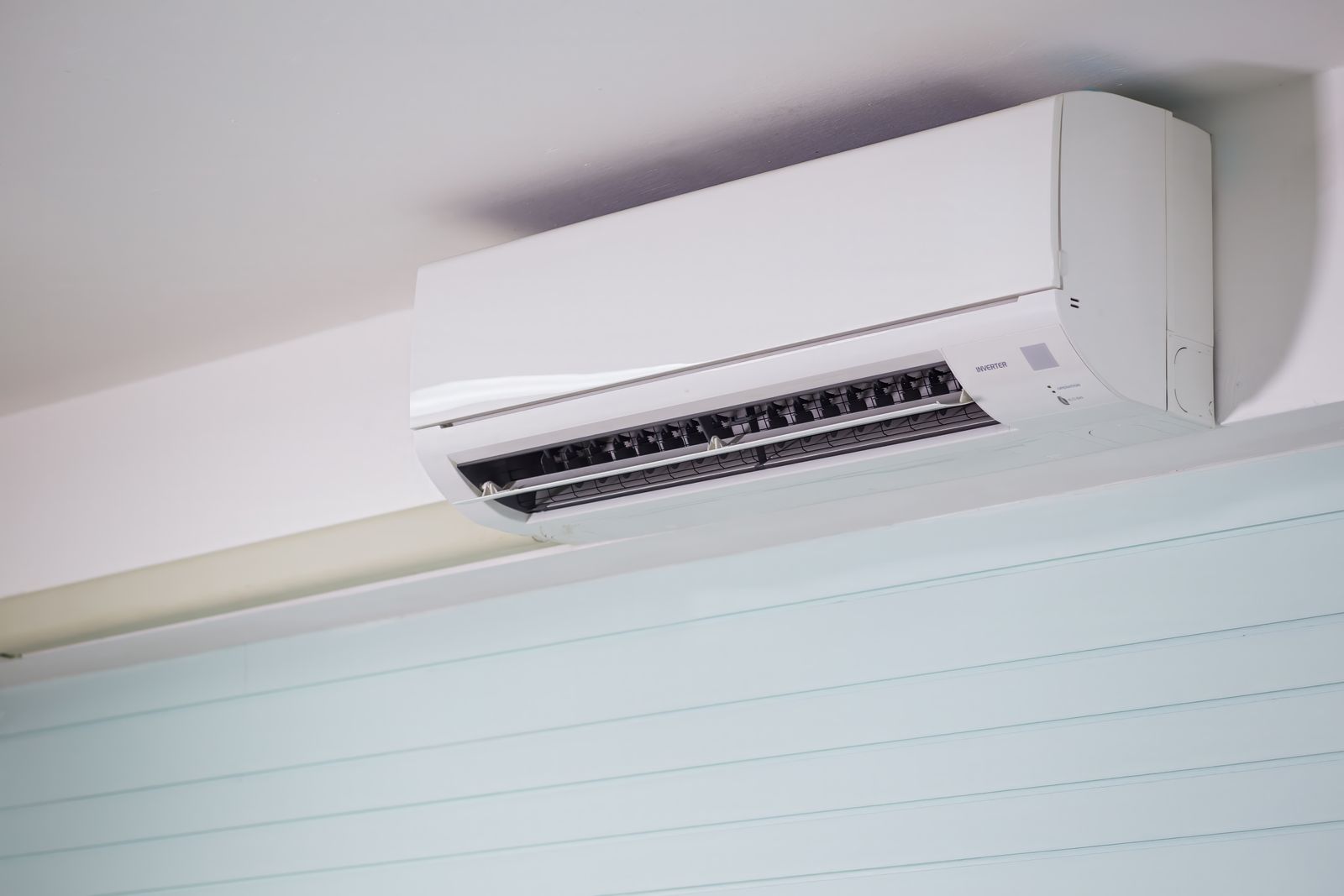
AC Leaking Through the Ceiling in Broken Arrow, OK
Water dripping from an AC vent, a stain spreading under the attic unit, or a ceiling that sags in July? Your air conditioner's condensate is overflowing into the ceiling. We dry the wet insulation, drywall and joists so the damage doesn't turn into mold, anywhere in Broken Arrow.
In many Broken Arrow homes the air handler sits in the attic, right above finished rooms. Every hour it cools, it pulls water out of the air and sends it down a drain line. When that line clogs or the pan fails, the water has nowhere to go but down. Your HVAC technician fixes the drain; Broken Arrow Water Damage Restoration dries what the water soaked, in 74011, 74012 and 74014.
What is AC leak ceiling damage? It's water damage caused when an air conditioner's condensate, the water the cooling coil removes from indoor air, overflows its drain pan or line and soaks the attic insulation, ceiling drywall and framing below the unit.
AC Dripping From the Ceiling? Do This Now
- Turn the AC off at the thermostat. The system keeps making water as long as it's cooling.
- Turn off lights and ceiling fans in the room below, and the breaker if water is near a fixture.
- Put a bucket under the drip and move furniture and electronics out of the way.
- Stay out from under a bulge. A wet ceiling can hold more water than it looks like.
- Check the attic only if it's safe: look for water in the pan under the unit or a disconnected drain line. Stay on the joists.
- Call an HVAC technician to clear the drain and call (918) 739-1874 to dry the ceiling.
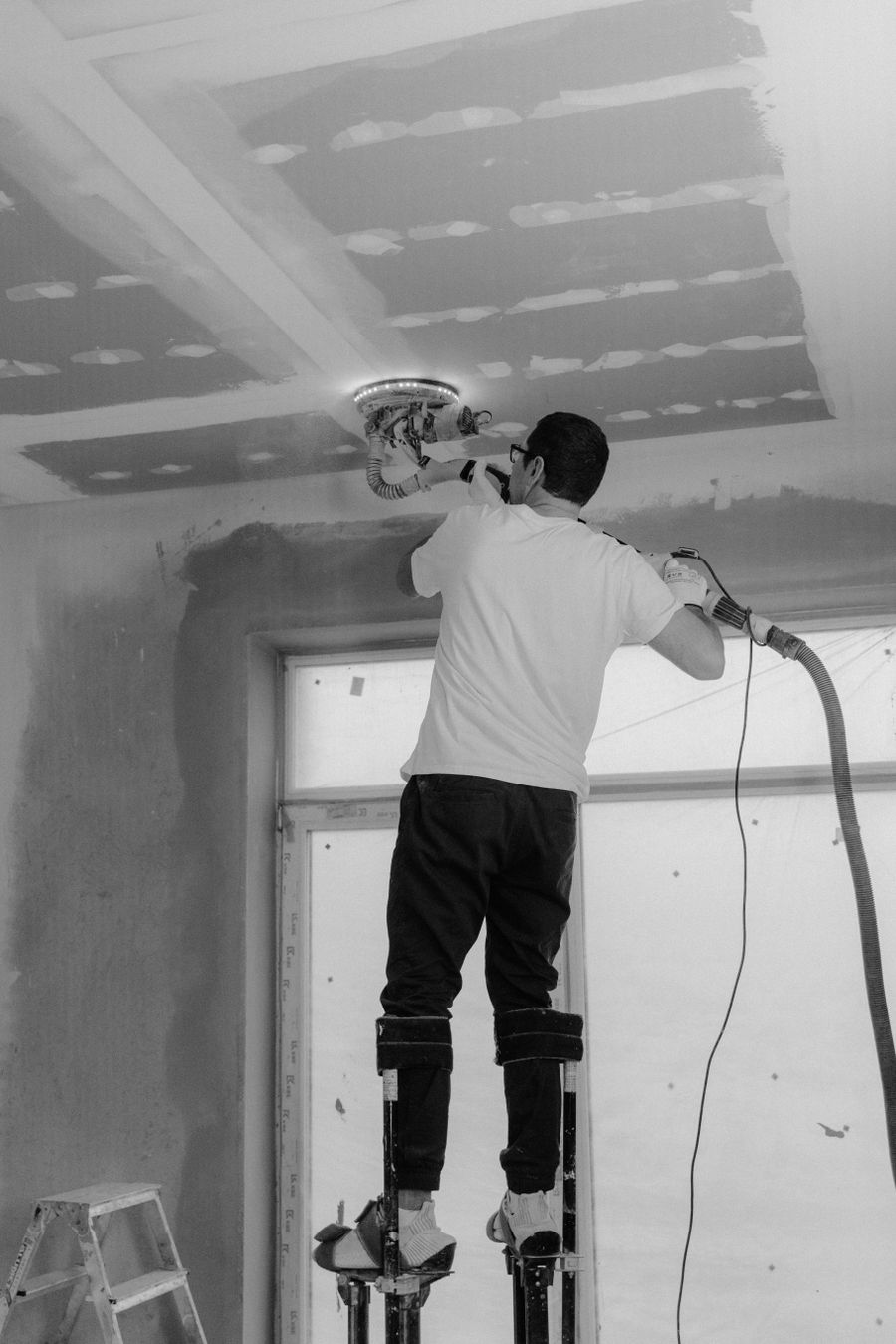
Why Attic AC Units Leak
Clogged condensate line. Algae, dust and sludge build up in the drain line until water backs up into the pan. It's the most common cause of condensate overflow damage.
Rusted or cracked drain pan. Older metal pans corrode and leak straight through.
Failed float switch. Many systems have a safety switch that shuts the AC off when the pan fills. If it's missing or stuck, the pan overflows.
Frozen coil. A dirty filter or low airflow lets the coil ice up; when it thaws, more water comes off than the pan can handle.
Disconnected or sagging line. A line that slipped off its fitting drips onto the attic floor.
Hard summer use. Broken Arrow's long, humid cooling season means the system makes a lot of water, day after day.
Why an AC Leak Is More Than a Drip
Condensate leaks are often slow and steady, so they run for days before anyone sees a stain. By then, the blown-in or batt insulation above the ceiling is soaked and pressing water against the back of the drywall. Left wet, that becomes hidden mold above the drywall, sagging ceilings and stained joists. Condensate also picks up dust and debris from the coil and pan, so it isn't perfectly clean water.
Other attic sources can look the same from below. A stain under the unit after a hot day points to the AC; a stain after rain points to the roof; and a sudden gush may be a supply pipe or a water heater in the attic.

How We Dry Attic AC Water Damage
- Confirm the source. We check the pan, drain line and unit so we know the water is from the AC, then make sure it's off or fixed.
- Document. Photos of the unit, the pan, the attic and every wet area below.
- Map the moisture. Thermal imaging and moisture meters show how far the water spread across the ceiling and into the walls.
- Remove wet insulation. Soaked insulation above the ceiling comes out; it holds water against the drywall.
- Decide on the drywall. Wet but firm drywall is often dried in place; sagging or crumbling sections are cut out.
- Dry the ceiling system. Dehumidifiers and air movers dry the room, and ceiling-cavity drying pushes dry air between the joists.
- Check daily until the drywall and framing read dry, then hand off for repairing a water-stained ceiling: new drywall where needed, stain-blocking primer, texture and paint.
HVAC Technician or Water Damage Company?
Both. An HVAC technician clears the drain line, replaces a rusted pan or adds a float switch so it doesn't happen again. We remove the water and dry the ceiling, insulation and framing. Fixing the AC without drying the ceiling leaves wet insulation sitting above your room.
AC Leaks and Insurance
Insurers often look at whether the leak was sudden or the result of wear and maintenance. A pan that rusted through over years or a line that was never cleaned may be treated as maintenance, while sudden equipment failure may be viewed differently. The AC repair itself is usually separate from the water damage. Coverage depends on your policy, so we don't promise outcomes; we document the source and the damage clearly.
What affects the cost of AC leak damage repair:
- How long the unit leaked before it was found
- How much ceiling area and insulation got wet
- Whether drywall can be dried or has to be replaced
- Ceiling height, texture and paint matching
- How many days of drying the readings call for
We explain these on site before work begins.

AC Leak Questions
Should I turn off my AC if it's leaking through the ceiling?
Yes. As long as it's cooling, the coil keeps producing water, and that water keeps going into the ceiling. Turn it off at the thermostat until the drain is cleared. In extreme heat, use fans and keep blinds closed while you wait for the HVAC technician.
Why is my AC dripping from the vent?
Water from a supply vent or grille usually means condensation forming on a cold duct or vent in humid air, or water from an overflowing pan running along the duct. A few drops on a humid day can be condensation; steady dripping or a stain around the vent usually points to the drain pan or line.
Is water in my AC drain pan normal?
Water draining through the pan is normal. Water sitting in the pan, especially an emergency pan under the unit, is not. A secondary pan with standing water is a warning that the main drain is backing up and needs to be cleared.
How do I clear a clogged AC drain line?
With the system off, many homeowners can clear a minor clog by flushing the line from the access port near the unit or using a wet vacuum at the outside end. If water is already in the ceiling, the line keeps clogging, or you can't reach it safely, have an HVAC technician handle it.
Does wet attic insulation have to be replaced?
Usually, yes. Soaked insulation compresses, loses its ability to insulate and holds water against the drywall for days. The EPA's guidance for water-damaged buildings is to replace wet insulation rather than try to dry it.
Will the stain come back if I paint over it?
If the drywall or insulation is still wet, yes. Once the ceiling reads dry, a stain-blocking primer under the new paint keeps the stain from bleeding through.
Related Water Damage Help
- Ceiling Leak Repair: drying the insulation, joists and drywall after a ceiling leak, whatever caused it.
- Mold Remediation: if a slow leak has left hidden moisture and mold above the ceiling.
- What to Do When Your Ceiling Is Leaking: the step-by-step guide for a leaking ceiling.
- How Long Does Drying Take: what decides how many days of drying a ceiling needs.
- Emergency Water Removal: if water is spreading through the house right now.
AC Dripping Into Your Ceiling? Dry It Before It Spreads
A condensate leak keeps feeding the insulation every time the AC runs. Turn the system off, call your HVAC tech for the drain, and call us to dry the ceiling.