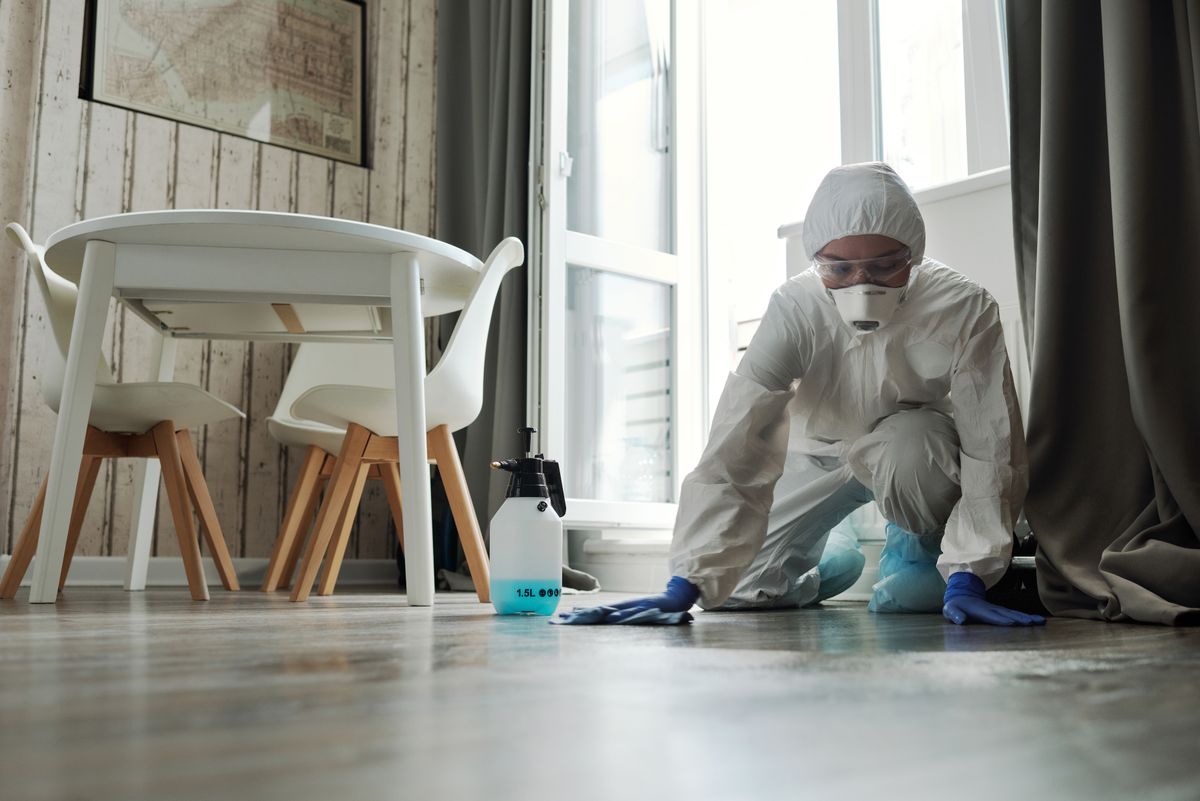
Sewage Backup Cleanup in Broken Arrow, OK
Sewage coming up through a floor drain, shower or toilet is a health hazard, not just a mess. We extract it, remove the materials it contaminated, clean and disinfect what stays, and dry the area, day or night, anywhere in Broken Arrow.
Sewage is Category 3 water, the most contaminated kind. It can carry bacteria, viruses and parasites, and anything porous it touches, like carpet, pad and the bottom of drywall, usually can't be cleaned well enough to keep. Broken Arrow Water Damage Restoration handles sewage and sewer backup cleanup for homes and businesses in 74011, 74012 and 74014.
What is sewage backup cleanup? It's the removal of sewage and sewage-contaminated materials from a building, followed by cleaning, disinfecting and drying the structure. Unlike a clean-water leak, the goal isn't only to dry things: it's to get contamination out of the house safely.
Sewage Backup? Do This Right Now
Wondering whether it's safe to stay home while it's cleaned? For a sewage backup, keep everyone out of the affected area until it's cleaned and disinfected.
- Stop using water. Don't flush toilets, run the washer or dishwasher, or take showers. Every gallon you send down the drain can come back up.
- Get people and pets away from the affected area, especially children, older adults and anyone who is sick or pregnant.
- Don't touch it without protection. If you must go near it, wear rubber boots and waterproof gloves, and wash thoroughly afterward.
- Cut power to the area at the breaker if water is near outlets or cords, only if you can reach the panel standing on a dry floor.
- Don't use a household vacuum, shop vac or fans. They can spread contaminated water and droplets through the house.
- Take photos of the backup, where it came from and what it reached.
- Call a plumber to clear the line and call (918) 739-1874 for the cleanup.
What Causes Sewage Backups in Broken Arrow
- Heavy rain. Storms can overload sewer lines, pushing sewage back up through the lowest drains in the house, often a floor drain, shower or ground-floor toilet.
- Tree roots. Roots grow into joints and cracks in older sewer laterals, which matters in Broken Arrow's older neighborhoods around the Rose District.
- Blockages. Grease, wipes, paper towels and other items that shouldn't be flushed build up until the line closes.
- Collapsed or sagging pipe. Shifting clay soil and age can crack, offset or flatten the line between the house and the city main.
- City main backups. When the public sewer main clogs, sewage can push back into homes connected to it.
If several drains back up at once, or the lowest drain fills when you run water upstairs, the blockage is likely in the main line out of the house. A plumber can camera the line to find out where.
Why Sewage Cleanup Isn't a DIY Job
- Contamination spreads. Mopping, vacuuming and fans move sewage into clean areas and into the air.
- Porous materials hold it. Carpet, pad, drywall, insulation and particleboard soak up sewage and can't be reliably disinfected.
- Hidden wicking. Drywall pulls contaminated water upward inside the wall, beyond what you can see.
- Drying alone isn't enough. A dry floor can still be contaminated. Sewage cleanup needs removal and disinfection before drying.
What Usually Has to Be Removed
| Material | Category 3 sewage contact |
|---|---|
| Carpet and pad | Removed and disposed of |
| Drywall | Cut out above the wet line |
| Insulation in wet walls | Removed and replaced |
| Particleboard cabinets and toe kicks | Usually removed |
| Upholstered furniture, mattresses, rugs | Usually discarded |
| Tile, sealed concrete, metal, glass | Cleaned and disinfected, then dried |
| Solid wood framing | Cleaned, disinfected and dried in place when sound |
Our Sewage Backup Cleanup Process
- Protect people first. Our crew wears protective gear, and the affected area is closed off from the rest of the house.
- Confirm the line is clear. We make sure the backup has stopped, or that a plumber is clearing it, before cleanup begins.
- Document. Photos of the source, the waterline and every affected room, before anything is removed.
- Extract the sewage. Fast water extraction removes standing sewage and contaminated water from the floor.
- Remove contaminated materials. Carpet, pad, the lower section of drywall, wet insulation and other porous materials that touched sewage are bagged and removed.
- Clean and disinfect. Floors, framing and every remaining surface are cleaned to remove residue, then treated with a disinfectant.
- Dry and deodorize. Dehumidifiers and air movers dry the structure, and air scrubbers help clear odor and airborne particles.
- Verify. Moisture readings confirm the structure is dry, so rebuilding can start without trapping moisture.
Sewage Backups and Insurance
Many standard homeowners policies don't cover sewer or drain backup unless you've added a specific endorsement, often called water backup or sewer backup coverage. Backups caused by outside flooding are usually handled under a separate flood policy. Check your declarations page or ask your agent, and we'll document the damage either way. See help documenting your claim.
What affects the cost of sewage backup cleanup:
- How much area the sewage reached and how deep it was
- How much carpet, drywall, insulation and cabinetry has to be removed
- How long it sat before cleanup started
- The amount of cleaning and disinfection needed
- How many days of drying the readings call for
We explain these on site before work begins.
Sewage Backup Questions
Is a sewage backup dangerous?
Yes. Sewage can carry bacteria, viruses and parasites that make people sick through skin contact, splashes or hand-to-mouth contact. Keep children, pets and anyone with a weak immune system away, wear boots and gloves if you have to go near it, and wash well afterward.
Can I clean up sewage myself?
A very small backup on a sealed hard floor, like a toilet overflow onto tile caught right away, can be cleaned with protective gear and disinfectant. Once sewage reaches carpet, drywall, cabinets or more than one room, it needs professional removal and disinfection, because those materials hold contamination you can't see.
Can carpet be saved after a sewage backup?
Usually not. Carpet and pad soaked by Category 3 sewage are removed and replaced, because they can't be reliably disinfected. Hard surfaces like tile, sealed concrete and solid wood framing are cleaned, disinfected and dried.
Sewage is coming up through my floor drain or shower. Why?
The drain is usually the lowest point in the plumbing, so when the line out of the house is blocked, sewage comes up there first. If running water in a sink or washer makes it worse, stop using water and call a plumber to clear the line.
Who is responsible for a sewer backup, me or the city?
It depends on where the blockage is. The pipe from your house to the public main is generally the owner's responsibility, while the main itself belongs to the city. A plumber's camera inspection can show which. Either way, cleanup inside the home should start right away.
Does homeowners insurance cover sewage backup?
Often only if your policy includes a sewer or water backup endorsement. Many standard policies exclude it without one, and backups caused by outside flooding usually fall under flood insurance. Check your declarations page or call your agent.
How long until I can use the room again?
It depends on how far the sewage reached. Once contaminated materials are out, cleaning and disinfection are done and the structure reads dry, the area is ready for rebuilding. Small bathroom backups move faster than a finished room with carpet and drywall.
Sewage in Your Home? Keep Everyone Out and Call
Every hour sewage sits, it soaks further into floors and walls. Stop using water, keep people away, and call now. We'll remove it, disinfect what stays, and dry the area so it can be rebuilt.