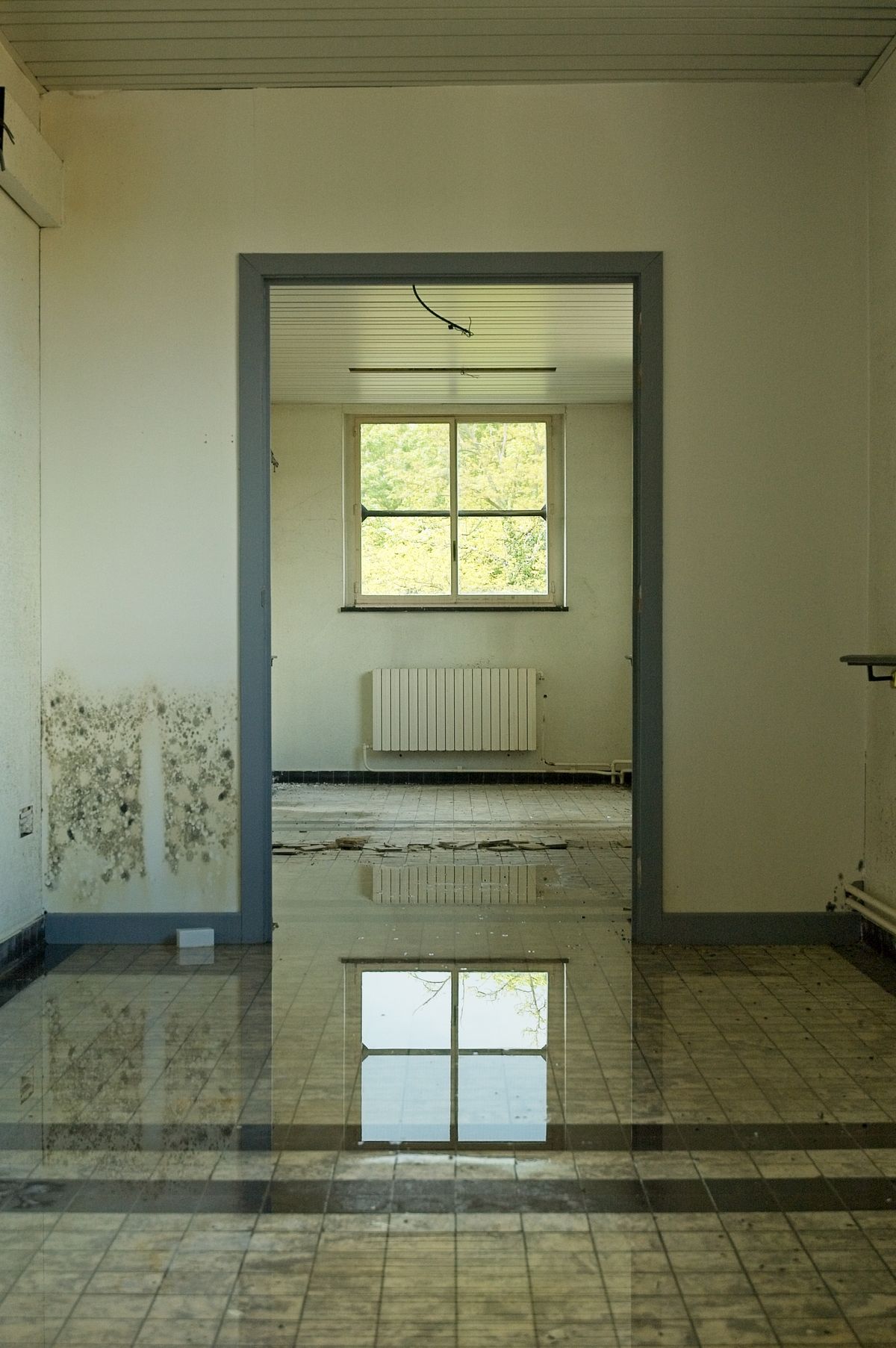
Is It Safe to Stay in a House With Water Damage?
Often, yes, for a clean-water leak, once the source is stopped, the electricity in wet areas is off or confirmed safe, and no ceiling is sagging. Leave, or keep everyone out of the affected area, if the water came from a sewer or toilet, if there's electrical risk you can't control, if a ceiling or floor is giving way, or if someone in the home is especially vulnerable.
Unsure? Call (918) 739-1874 and describe what you see.
Quick Check: Stay or Go?
| Situation | Usually okay to stay? |
|---|---|
| Clean water (burst supply pipe, water heater) in one or two rooms, power off in wet areas | Yes, with wet rooms closed off |
| Water near outlets, cords or a breaker panel you can't safely shut off | No, leave until an electrician or utility makes it safe |
| Ceiling bulging, sagging or cracking | Stay out of that room; leave if it's over a bedroom or main path |
| Sewage from a toilet, floor drain or sewer line | Keep everyone out of the affected area; leaving the home is often wise for larger backups |
| Floodwater from outside entered the home | Usually best to leave until it's cleaned and disinfected |
| Smell of gas, or storm damage to the structure | Leave now and call the gas company or 911 from outside |
| Visible mold over a large area, or musty air bothering someone | Limit time in the home; vulnerable people should stay elsewhere |
Electrical Risk Comes First
Water and electricity are the most immediate danger. Don't walk through standing water near outlets, cords or appliances. Turn off breakers for wet rooms only if you can reach the panel on a dry floor; if the panel itself is wet, call the utility or an electrician. Water dripping through a light fixture means that circuit stays off until it's checked.

Sewage Changes Everything
Water from a toilet, floor drain or sewer line can carry bacteria, viruses and parasites. Keep children, pets, pregnant family members and anyone who's sick or immunocompromised out of the area. Don't run household vacuums or fans that can spread it. That area isn't safe to use until professional sewer backup cleanup has removed contaminated materials and disinfected what stays.
Ceilings and Floors
A wet ceiling can hold a surprising amount of water and fall without much warning. Keep everyone out from under bulges. Soft or bouncing floors, especially over a crawlspace, mean the subfloor may be weakened; avoid walking on them until they're checked.

Mold and Air Quality
Wet materials can start growing mold within a day or two in warm, humid weather. A musty smell, or allergy-like symptoms that ease when you leave the house, are signs the air may be affected. People with asthma, allergies or weakened immune systems should be especially careful about mold after a leak and may want to stay elsewhere until it's dried and cleaned.
What Living There During Drying Is Like
- Dehumidifiers and air movers run day and night and are noisy
- Rooms with equipment get warm and dry
- Some areas will be closed off with plastic
- Water may be off for a while if the plumbing is being repaired
- A crew comes back each day to take readings
Many families stay through a clean-water job by closing off the affected rooms. Some homeowners policies include coverage for additional living expenses if the home can't be lived in during repairs, so ask your insurer if you need to stay elsewhere.
Make It Safer, Faster
- Stop the water at the source.
- Turn off power to wet rooms if it's safe to reach the panel.
- Close off wet rooms and keep kids and pets out.
- Get emergency water extraction and drying started the same day.
- Open windows only if outside air is drier than inside; otherwise let the dehumidifiers work.
Quick Answers
Can my kids sleep in the house after a leak?
For a clean-water leak, usually yes, in rooms that are dry and away from equipment, once the power is safe and no ceilings are sagging. After a sewage backup or floodwater, keep children out of the affected area until it's cleaned and disinfected.
Is it safe to sleep in a room with wet carpet?
It's better not to. Wet carpet and pad raise humidity and can start growing mold, and drying equipment in the room is loud. Sleep in a dry room until it's dried.
Is the smell after water damage dangerous?
A musty smell usually means something is still wet and microbial growth may have started. It's a sign to find and dry the source. A sewage smell means contamination and needs professional cleanup. A gas smell means leave immediately.
Do I need to leave during drying?
Not usually for a clean-water job. Many people stay and close off the wet rooms. Leaving makes more sense for sewage or floodwater, large mold growth, structural damage, or when someone in the home is especially vulnerable.