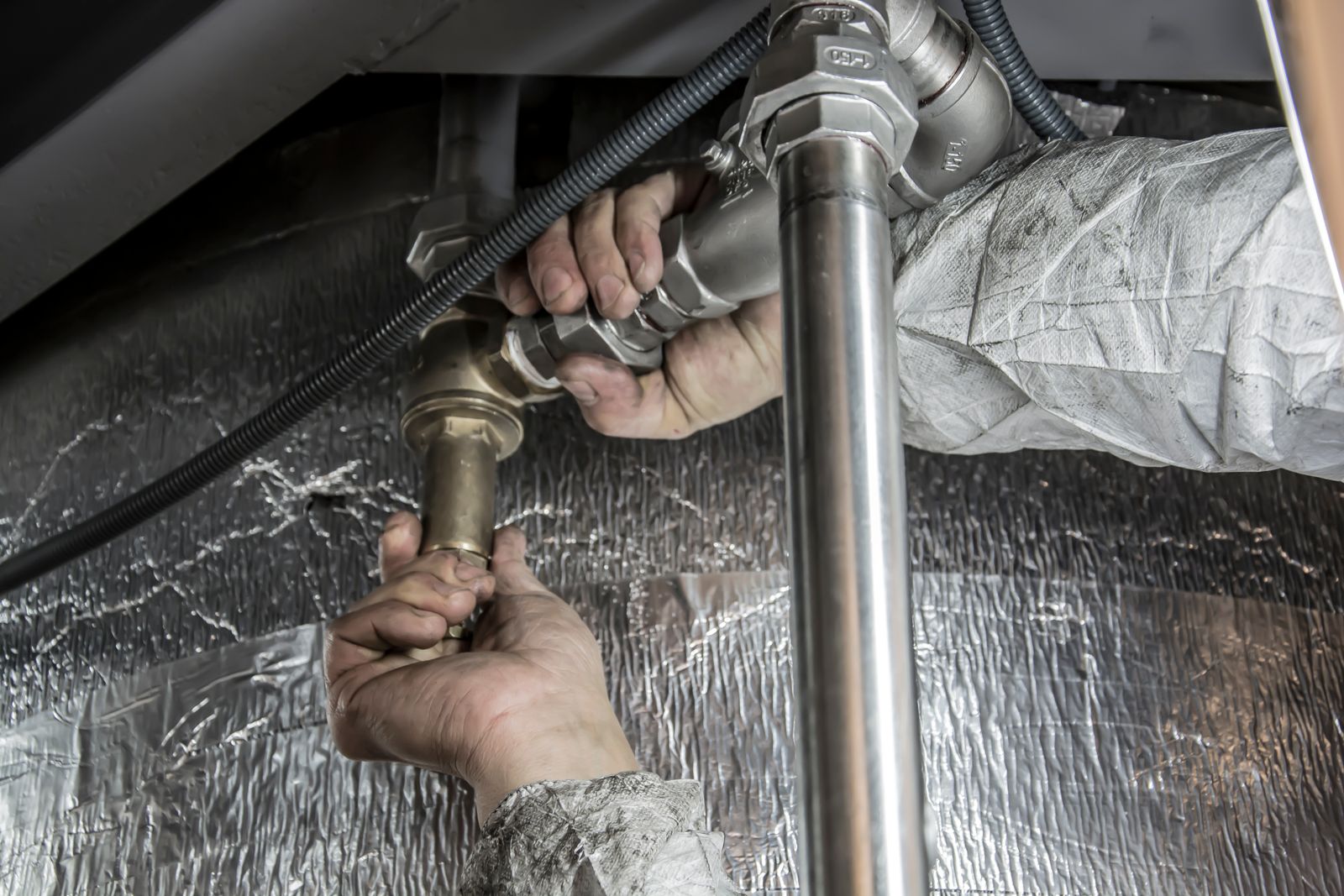
Burst Pipe Water Damage Cleanup in Broken Arrow, OK
A burst pipe can put hundreds of gallons into walls, ceilings and floors before anyone notices. We stop the spread, extract the water and dry the framing, drywall and flooring, day or night, anywhere in Broken Arrow.
Many burst pipes in Broken Arrow homes are frozen pipes: lines in attics, garages and exterior walls that split during a hard freeze, then leak as they thaw. Others fail from age, loose fittings or water pressure. Either way, the damage you see is usually smaller than the damage inside the wall. Broken Arrow Water Damage Restoration handles burst pipe cleanup and drying for homes and businesses in 74011, 74012 and 74014.
What is burst pipe cleanup? It's removing the water a broken supply line released, finding everywhere that water traveled inside walls, ceilings and floors, and drying those materials to a measured dry standard. A plumber repairs the pipe; burst pipe cleanup repairs what the water did to the house.
Pipe Burst? Do This Right Now
- Shut off the main water valve. In many Broken Arrow homes it's in the garage, near the water heater, or in the curb box by the street. Turn it clockwise until it stops.
- Open a faucet on the lowest floor to drain pressure from the lines.
- Turn off the water heater if the house will be without water for a while, following its label for gas or electric.
- Cut power to wet rooms at the breaker, only if you can reach the panel standing on a dry floor.
- Stay out from under a sagging ceiling. It can hold a lot of water and come down suddenly.
- Photograph everything before cleaning up: the pipe, the water, the ceilings and walls, and damaged belongings.
- Call a plumber for the pipe and call (918) 739-1874 for the water. Both can happen at the same time.
Why Pipes Burst in Broken Arrow
Water expands as it freezes. When ice forms in a pipe, it squeezes the water trapped between the ice and the closed faucet, and the pressure builds until the pipe splits. That's why a pipe often breaks somewhere other than where the ice formed, and why the leak usually shows up when the line thaws.
Common causes we see in Broken Arrow:
- Hard freezes. Arctic cold snaps that drop well below freezing for a day or more, especially overnight.
- Pipes in cold spaces. Supply lines in attics, garages, exterior walls and crawlspaces have little protection from the cold.
- Power outages during a freeze. No heat means the whole house cools fast.
- Empty homes over the holidays. A thermostat turned down too far lets interior walls get cold.
- Worn fittings and supply lines. Failed connections under sinks, at toilets and at the water heater can burst any time of year.
- Water pressure surges. Sudden pressure spikes stress older copper and fittings.

Where Burst Pipes Cause the Most Damage
- Attics. A split line above the ceiling soaks insulation and drywall, then shows up as a stain, a bubble or water through a light fixture. When that happens, the job includes drying a wet ceiling and replacing soaked insulation.
- Exterior walls. Water runs down inside the wall cavity, wetting insulation and the bottom plate before it reaches the floor.
- Garages. Lines feeding outdoor faucets and laundry rooms freeze first; water then runs under the door into the house.
- Under slabs and in crawlspaces. Leaks below the floor can go unnoticed until carpet is wet or the water bill jumps.
Signs of a Hidden Burst Pipe
Not every burst pipe sprays. Watch for:
- A ceiling stain, bubble or sag, or water dripping from a light fixture
- Damp drywall or peeling paint low on a wall, or baseboards pulling away
- Wet carpet or warm, soft spots in the floor with no visible source
- The sound of running water when every faucet is off
- A sudden jump in your water bill, or the water meter moving while nothing runs
- A musty smell that wasn't there before
If you see any of these after a freeze, shut off the main valve and call before opening walls yourself.
Our Burst Pipe Cleanup Process
- Confirm the water is off. We check that the line is shut off or capped so no new water enters.
- Document first. Photos of the pipe, the water and every affected room before anything is moved or removed.
- Remove the water. Standing water is pumped and extracted from carpet, hard floors and concrete, the same emergency water extraction we use on any active leak.
- Map the moisture. Thermal imaging and moisture meters trace the water up inside walls, along ceiling joists and under flooring, well past the visible stain.
- Open only what we must. Wet insulation is removed and drywall is cut only where it's swollen or soaked, often a short flood cut above the floor. Walls that read dry stay intact.
- Dry the structure. LGR dehumidifiers and air movers dry the room; wall-cavity and ceiling drying systems push dry air into closed spaces.
- Check daily. Readings at marked points every day until the wood framing and drywall match unaffected materials in your home.
- Hand off for repairs. Once the readings say dry, damaged drywall, insulation, flooring and paint can be replaced, and you get the full drying log.
Plumber or Water Damage Company: Who Do You Call?
Both, and at the same time. A plumber fixes or caps the broken line. A water damage company removes the water and dries the building. Waiting for the plumbing repair before starting extraction lets water keep soaking into drywall, insulation and subfloors, which turns a drying job into a tear-out job.
Burst Pipes and Insurance in Oklahoma
A pipe that bursts suddenly, including from freezing, is often treated differently by insurers than a slow leak that went on for weeks. Many policies separate the cost of the water damage from the cost of repairing the pipe itself, and some policies limit freeze damage in a home left unheated. Coverage always depends on your policy, so we don't promise outcomes. For more detail, see how Oklahoma policies handle a burst pipe.
What we provide for your claim: photos of the source and damage, moisture maps, daily readings and a clear record of what was removed and why.
What affects the cost of burst pipe cleanup:
- How long the pipe leaked and how far the water traveled
- How many rooms, walls and ceilings got wet
- Whether insulation, drywall, flooring or cabinets need removal
- The water category (a clean supply line vs. a drain or waste line)
- How many days of drying the readings call for
We explain these on site before work begins.
Burst Pipe Questions
My pipes are frozen but haven't burst. What should I do?
Open the faucet the frozen line feeds, so melting ice can drain. Warm the pipe slowly with a hair dryer, a space heater kept at a safe distance, or warm towels. Never use an open flame. If you can't find the frozen section or the pipe is inside a wall, call a plumber, and keep an eye out for leaks as it thaws.
Water is dripping through my ceiling after a pipe burst. Should I poke a hole in it?
Only if the ceiling is bulging with water and you can do it safely. Turn off the power to that room first, put a bucket underneath, and stand to the side. A small hole releases the water in one place instead of letting the ceiling come down. If the ceiling is sagging badly, stay out of the room.
Does drywall have to be replaced after a pipe burst?
Not always. Drywall wet with clean water that hasn't swollen or lost its shape can often be dried in place with the right equipment. Drywall that's crumbling, swollen or sat wet for days is cut out, usually just the lower portion. Insulation soaked inside the wall is normally replaced.
How long does it take to dry out after a burst pipe?
Most burst pipe jobs take several days of drying. It depends on how long the pipe leaked, how many walls and ceilings got wet, and the materials involved. Equipment stays until moisture readings in the framing and drywall match dry materials elsewhere in your home.
Will mold grow inside the wall?
It can if the wall stays wet. The EPA advises drying water-damaged materials within 24 to 48 hours to prevent mold growth. Measuring moisture inside the wall and drying it to a proven dry standard is how you know it won't become a mold problem later.
Can I stay home while the walls dry?
Usually, yes, for a clean-water leak, as long as the electricity is safe and no ceiling is sagging. The equipment runs around the clock and makes noise, so many families close off the affected rooms and carry on.
How to Keep Pipes From Bursting Next Freeze
- Keep garage doors closed when a hard freeze is coming.
- Open sink cabinet doors on exterior walls so warm air reaches the pipes.
- Let a faucet on an exterior wall drip slowly during the coldest nights.
- Keep the thermostat steady day and night, and don't set it below 55°F if you leave town.
- Disconnect garden hoses and cover outdoor faucets.
- Insulate exposed pipes in the attic, garage and crawlspace.
- Know where your main shut-off valve is before you need it.
A Burst Pipe Won't Wait for Business Hours
The water a pipe releases keeps moving into walls and floors until it's removed and dried. Shut off the main, then call. We'll start with the water and finish with readings that prove the walls are dry.