
Emergency Water Removal
24-hour water removal from floors, carpet and concrete, with drying set up on the same visit.
Water removal, structural drying and insurance-ready documentation for homes and businesses across Broken Arrow, day or night.
Broken Arrow Water Damage Restoration is a local team serving Broken Arrow, Oklahoma. We remove standing water, find hidden moisture with thermal cameras and moisture meters, and dry walls, floors and framing with commercial dehumidifiers and air movers. Every reading is recorded, so you and your insurance adjuster can see exactly what happened and when the job was truly dry.
From a burst pipe at 2 a.m. to flood cleanup after a spring storm, we handle water mitigation and drying in all three Broken Arrow ZIP codes: 74011, 74012 and 74014, on both the Tulsa County and Wagoner County sides of town.
What is water damage restoration? It's the process of stopping a water problem's spread, removing the water, drying the building to a measured dry standard, cleaning or removing materials that can't be saved, and repairing what was damaged. Mitigation is the first part (removal and drying); restoration includes the repairs that follow.
Close your main water valve. Common spots are the garage, near the water heater, or the curb box by the street. If the water heater is leaking, close its cold supply valve.
Switch off those breakers, but only if you can reach the panel without standing in water.
Take photos and video of the water, the source and damaged belongings before you move anything.
Keep children and pets away from the wet area, and stay out of any water that came from a toilet, sewer or floor drain.
Not sure if it's serious? Read what to do when a pipe bursts or what to do when your ceiling is leaking.
Every water loss follows the same order: stop the source, remove the water, then dry what's left until the readings say it's done. What changes is where the water came from and what it soaked.
24-hour water removal from floors, carpet and concrete, with drying set up on the same visit.
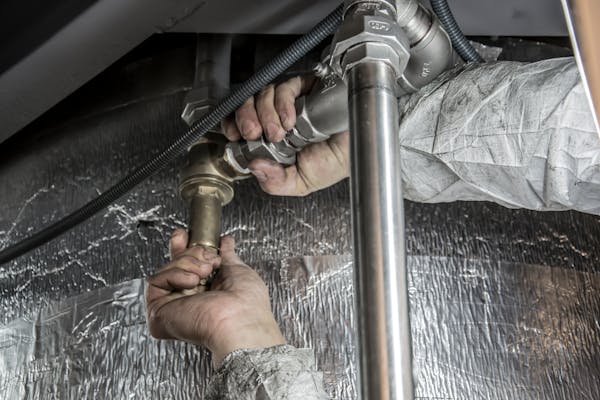
Frozen or failed pipes in attics, garages and exterior walls. We open only what we must and dry the rest in place.
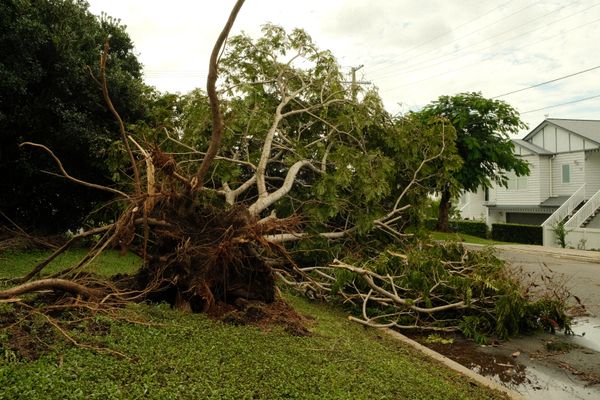
Hail, wind and wind-driven rain that get past the roof, vents or windows and into attics, ceilings and walls.
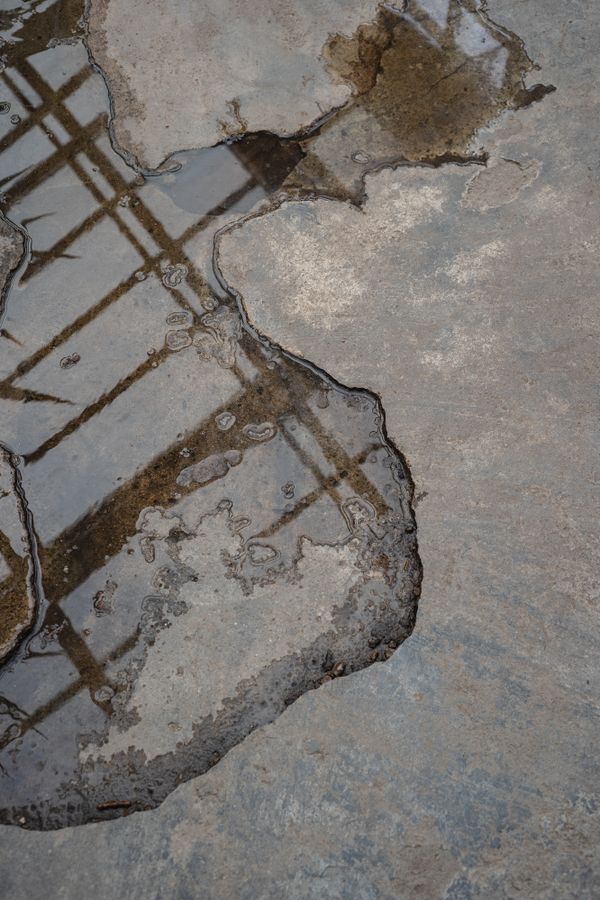
Wet carpet or flooring with no visible leak, often from a line under the slab. We map the wet area and dry the floor system.
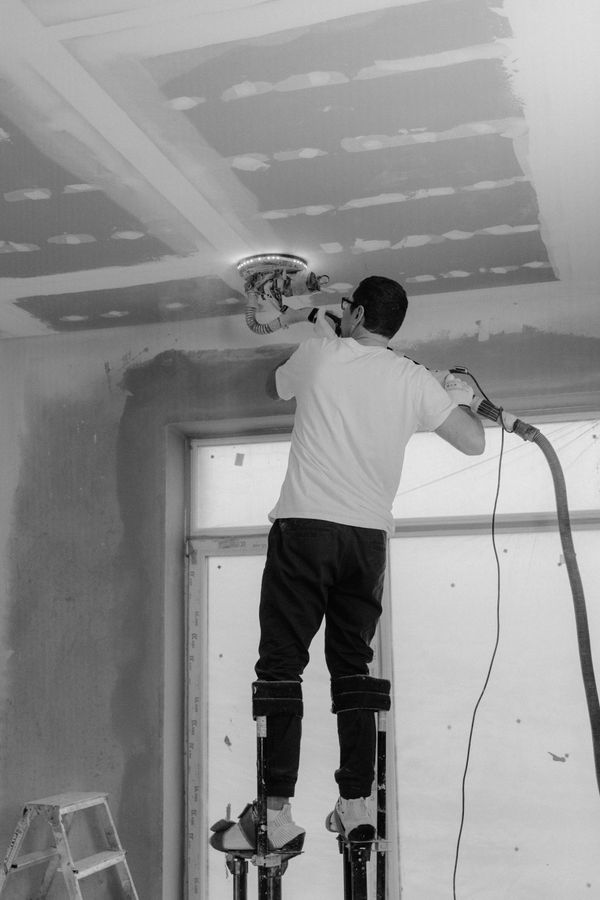
Stains, bubbles and sagging drywall. We dry the insulation, joists and drywall before any repair, so mold doesn't follow.
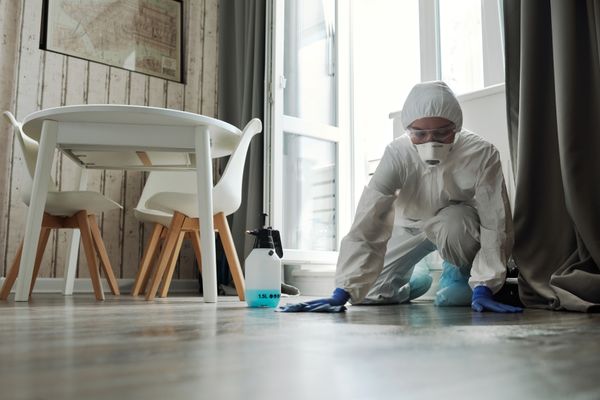
Category 3 water from toilets, floor drains and sewer lines, handled with protective gear, removal of affected porous materials and disinfection.
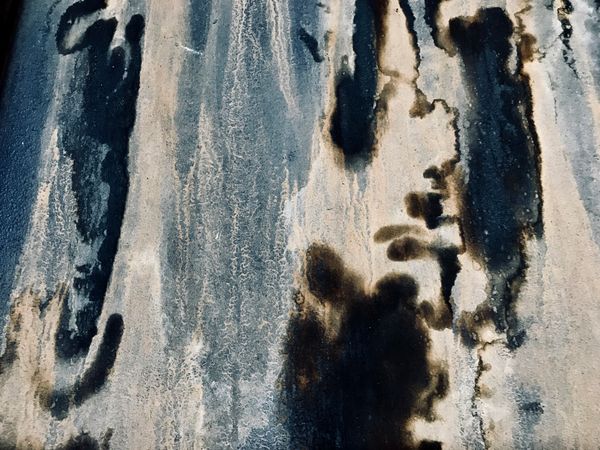
Musty smells or growth after a leak. We find the moisture source first, contain the area, remove affected materials and dry it right.

Offices, stores, restaurants and churches. We schedule around your hours to help you reopen sooner.
Our process runs in the same order on every job, so nothing gets closed up wet. See the full restoration process.
We find the source and identify the water category: Category 1 (clean), Category 2 (gray) or Category 3 (black). Thermal imaging and moisture meters show how far the water traveled inside walls and under floors.
Truck-mounted or portable extractors and submersible pumps remove standing water. Removing water is far faster than evaporating it.
Soaked carpet pad, wet insulation and drywall that wicked water from below are cut out. Everything else is dried in place when the readings say it can be.
LGR dehumidifiers pull moisture from the air while air movers push it out of materials. Wall cavities and hardwood get targeted drying systems.
We take readings every day: relative humidity, grains per pound and moisture content at marked test points. Equipment stays until materials reach the dry standard, meaning they match unaffected materials in your home.
Once everything is dry, damaged materials are repaired or replaced, and you get the full drying log for your records.
Most homes need several days of drying. Clean water caught early dries faster; hardwood, plaster, concrete and Category 3 losses take longer. We pull equipment based on the readings, never the calendar. More in how long drying takes.
Broken Arrow's water damage follows the seasons and the ground under the house. These are the six causes we plan for.
Large hail cracks shingles and dents vents, and the next rain reaches the attic before anyone sees a stain. On May 21, 2024, hail measuring 2.75 inches was reported about three miles from Broken Arrow.
It doesn't take a direct hit. Lifted ridge vents, torn soffits and open gable vents let rain pour into the attic. On May 26, 2019, a tornado formed near Broken Arrow High School and damaged roofs as it crossed County Line Road south of East 61st Street.
Hard freezes split pipes in attics, garages and exterior walls. The leak often shows up when the line thaws, not when it freezes.
Most Broken Arrow homes sit on concrete slabs over expansive clay that swells when wet and shrinks when dry. That movement stresses water lines under the slab, which is why carpet can get wet with no leak in sight.
Long cooling seasons push air handlers hard. A clogged condensate line overflows the drain pan and soaks the ceiling below.
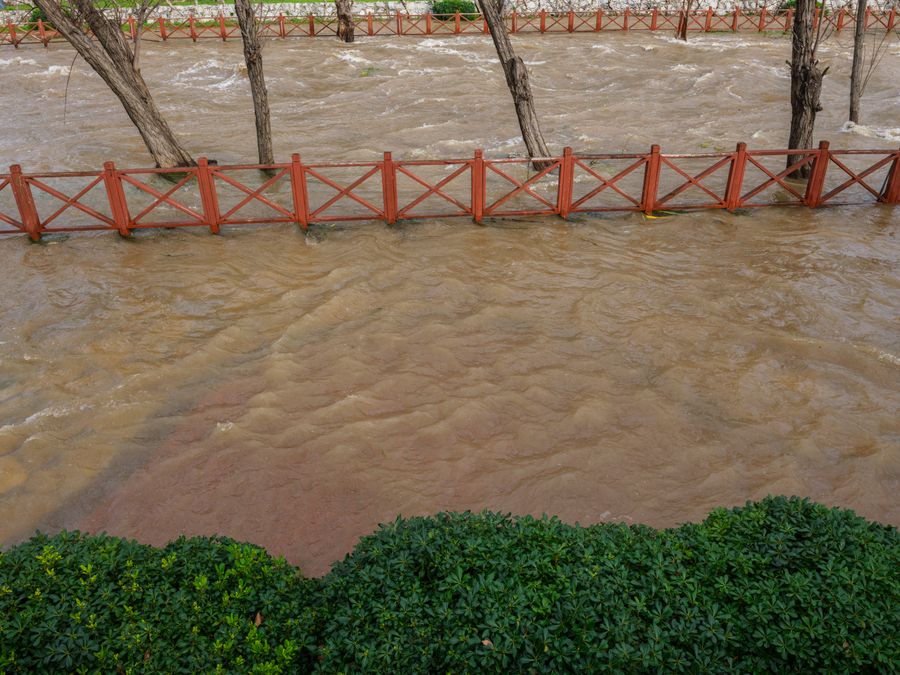
In-ground and garage-floor shelters take on water after heavy rain through clogged drains, worn door seals and groundwater.
Older homes near the Rose District add crawlspaces and older plumbing to the list. Newer subdivisions bring their own issues, like window flashing and lot grading that sends water toward the house.
Moisture maps, daily readings and photos are recorded at every visit, and you get a copy.
Carpet, hardwood and drywall are tested before anything is torn out.
You'll know what drives the bill before equipment goes in.
You'll know what equipment is running, why, and the reading we need before it comes out.
Most homeowners policies treat sudden, accidental water differently from slow leaks and outside flooding. A burst pipe, a failed supply line or a roof opened by wind or hail is often handled under a standard policy. Rising water from outside usually needs a separate flood policy, and sewer backup often needs its own endorsement.
Coverage always depends on your policy, so we don't promise outcomes. What we do is document the cause and the damage clearly, from the first photo to the final dry reading, so your adjuster has a full record. Read more on insurance claim help.
Not sure whether your home sits in a flood zone? Here's how to check your Broken Arrow flood zone on FEMA's map.
We walk you through these on site before work begins. See the full guide to what drives the cost.
Call (918) 739-1874 and we'll give you an arrival time on the call, day or night. While you wait, shut off the water, cut power to wet rooms if it's safe, and take photos. Those three steps limit the damage before the crew gets there.
Stop the water first, then call us so drying can start, and open your claim the same day. Most policies expect you to take reasonable steps to prevent more damage, and starting mitigation quickly, with records, supports that.
Often, yes. Carpet soaked with clean water can usually be dried in place, though the pad is normally replaced. Hardwood dried quickly with mat systems can often recover from cupping. Anything soaked with sewage is removed. We test before deciding.
Usually, for clean-water losses, as long as the power is safe and rooms aren't contaminated. Leave the affected area if the water came from a sewer or toilet, or if a ceiling is sagging. More in is it safe to stay.
We compare daily moisture readings from wet areas against unaffected materials in your home, called the dry standard. When the readings match, the drying is done. We never go by how a surface looks or feels.
Yes. Turn off lights and fans in that room, put a bucket under the drip, and stay out from under any bulge, because a sagging ceiling can hold a lot of water. Call us to find the source and dry the ceiling system.
If water is still flowing and you can't stop it at the main valve, call a plumber to fix the source. Call us at the same time. A plumber repairs the pipe; we remove the water and dry the walls, floors and framing so mold doesn't start.
In Broken Arrow homes, common hidden causes include a leaking water line under the slab, a slow supply-line leak inside a wall, or an AC or water heater leak traveling under flooring. Thermal imaging and moisture meters trace the wet area back toward its source.
Close the cold water valve on top of the tank, then turn off its power or gas. Keep people away from hot water, take photos, and call (918) 739-1874. Water heater leaks spread under walls and into nearby rooms faster than most people expect.
Yes, if it's a small clean-water spill on a hard floor that you wipe up quickly. Fans move surface air but don't pull water out of drywall, insulation, wall cavities or subfloors. If water reached any of those, the only way to know it's dry is to measure it.
Often, when the pipe fails suddenly, though every policy differs. Insurers usually treat a sudden burst differently from a slow leak or outside flooding. We document the source, the damage and the drying, so your adjuster has a clear record. More in what Oklahoma policies usually cover.
We cover all of Broken Arrow:
around Broken Arrow High School and the Creek Turnpike

including older neighborhoods off Kenosha Street and Elm Place

on the Wagoner County side along County Line Road and Lynn Lane
We also serve Bixby, Coweta, Jenks, Catoosa, Oneta, Leonard and south Tulsa. See all service areas.
The sooner water is removed and drying starts, the more of your home can be saved. Call now and we'll tell you what happens next.