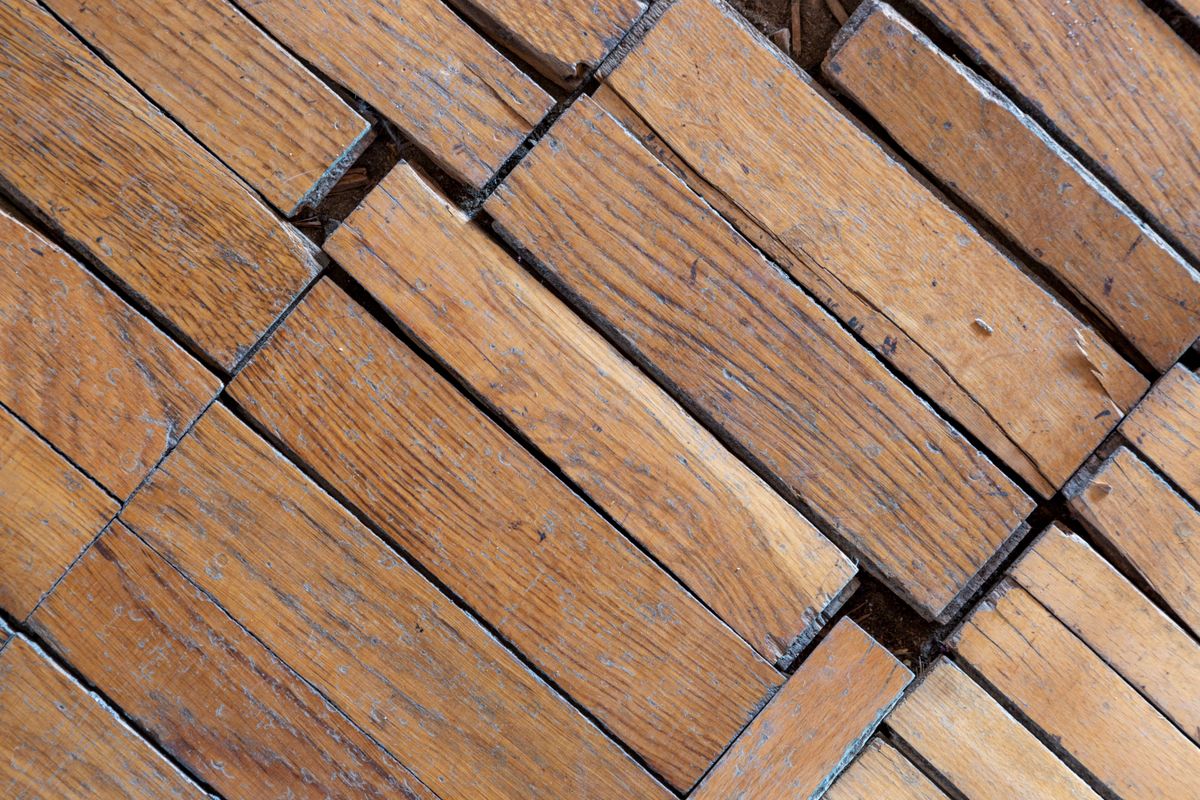
Hardwood Floor Water Damage Drying in Broken Arrow, OK
Wet hardwood isn't always a lost cause. Caught early and dried the right way, many wood floors flatten back out and only need light sanding and refinishing. We measure the moisture, dry the boards and the subfloor with mat systems, and tell you straight what can be saved, anywhere in Broken Arrow.
Wood absorbs water and swells, so a leak that's mopped up in minutes can still cup a floor over the next few days. Broken Arrow Water Damage Restoration dries water-damaged hardwood in homes across 74011, 74012 and 74014, including older oak floors in established neighborhoods and engineered wood in newer builds.
What is hardwood floor drying? It's removing water from wood flooring and the subfloor beneath it with specialized floor mat systems, dehumidifiers and moisture monitoring, so the boards return as close as possible to their normal moisture level before anyone decides to sand, refinish or replace them.
Wood Floor Got Wet? Do This First
- Stop the water at its source.
- Get the standing water off right away with towels, a mop or a wet vac; for more than a puddle, call for getting standing water off the floor fast.
- Move rugs, furniture and anything sitting on the wet boards.
- Don't sand, nail down or refinish anything yet. Boards keep moving for days as they take on and release water.
- Don't put heat directly on the floor. Drying too fast or unevenly can crack and split boards.
- Take photos, then call (918) 739-1874.
Cupping, Crowning and Buckling: What Your Floor Is Telling You
| What you see | What it means |
|---|---|
| Cupping: board edges higher than the centers | The bottom of the boards is wetter than the top, usually water underneath from the subfloor, slab or a leak below |
| Crowning: board centers higher than the edges | Often the result of sanding a cupped floor before it dried; the top dried and shrank while the bottom was still wet |
| Buckling: boards lifting off the subfloor | Severe swelling with no room to expand; the most serious sign, often after long or heavy exposure |
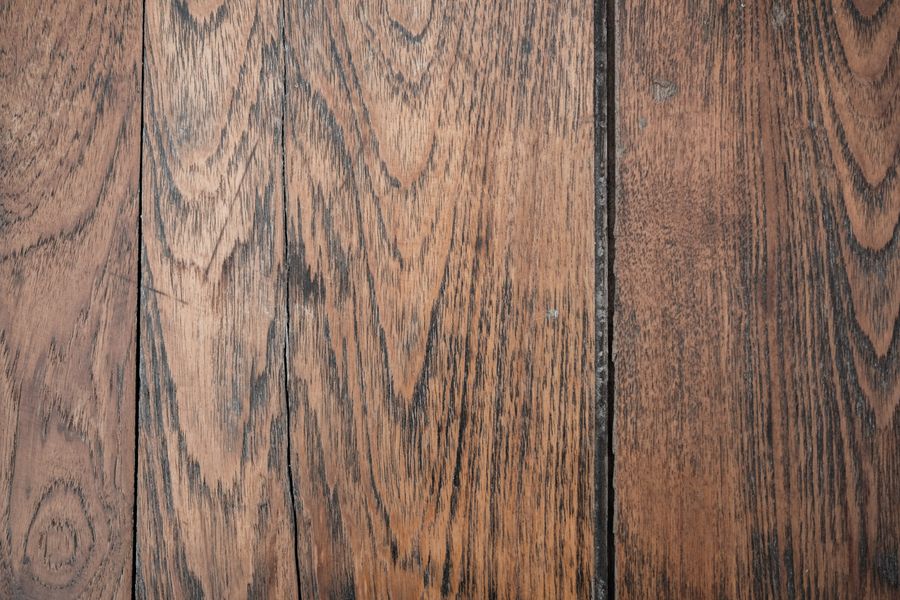
| Gaps and dark stains | Water got into the seams; black or gray stains can mean the water reacted with the wood's tannins or sat for a long time |
Common Causes of Wet Hardwood
- Dishwasher and ice maker leaks that run under kitchen flooring for days
- A pipe that split inside the wall during a hard freeze
- Rain blown in under exterior doors or through windows during storms
- Pet accidents, plant pots and overflowing sinks or tubs
- Moisture rising from a slab or crawlspace below
Can Your Hardwood Floor Be Saved?
It depends on how long it was wet, how much water got in, the type of floor and whether it was sewage or floodwater.
- Solid hardwood caught early often flattens back out with proper drying; light cupping that remains can usually be sanded and refinished once the moisture is right.
- Engineered wood has a thin wood top layer, so it can be dried but can only be sanded a limited number of times, and swollen or delaminated planks are replaced.
- Boards that buckled badly, split, or stayed wet for a long time usually have to be replaced in the affected area.
- Floors soaked by sewage or floodwater are removed, because the wood and the subfloor can't be reliably cleaned.
We measure the moisture content of the wet boards against unaffected wood in your home. That comparison tells us whether drying is working and when the floor is ready for a flooring contractor to decide on sanding or replacement.
How We Dry Hardwood Floors
- Stop the source and remove all surface water.
- Document and map. Photos plus moisture readings across the floor, compared with dry wood elsewhere in the house.
- Set floor mat drying systems. Panels sealed to the floor pull moisture up and out of the boards and the subfloor.
- Control the room. Dehumidifiers bring the air down to a dry level, so the wood releases moisture steadily, not all at once.
- Dry from below if possible. In homes with a crawlspace, the subfloor is dried from underneath too.
- Monitor daily. Readings track the boards back toward normal moisture; equipment stays until they get there.
- Hand off. Once the floor reads dry and has had time to settle, a flooring contractor can sand, refinish or replace boards with an accurate picture.
Hardwood Floor Water Damage Questions
Will cupped hardwood go back to normal?
Mild cupping often flattens out once the boards and subfloor are dried properly, which can take one to a few weeks. Boards that still have a slight cup after drying can usually be sanded flat and refinished. Severe cupping or buckling usually means replacing boards.
Should I sand my floor right away after it gets wet?
No. Sanding a cupped floor before it's fully dry can leave it crowned, with the centers higher than the edges, once the bottom dries and shrinks. Wait until moisture readings show the floor is dry and stable.
How long does it take to dry a hardwood floor?
Longer than carpet or drywall, often one to two weeks, depending on how wet the wood and subfloor got and the type of floor. Wood has to dry slowly and evenly, or it can crack.
Can I dry my wood floor with fans?
Fans dry the surface but not the underside of the boards or the subfloor, which is where cupping comes from. Without dehumidification and mat drying, the top can dry while the bottom stays wet, making the problem worse.
Does insurance cover water-damaged hardwood floors?
It can, when the water came from a sudden, covered event like a burst pipe. Damage from slow leaks, flooding from outside, or long-term moisture is often treated differently. Coverage depends on your policy; we document the moisture and drying so your adjuster has a clear record.

Wet Wood Floor? The First Few Days Decide a Lot
The sooner hardwood is dried properly, the better its chances of lying flat again. Call now and we'll measure it, set up mat drying and give you an honest answer on what can be saved.
