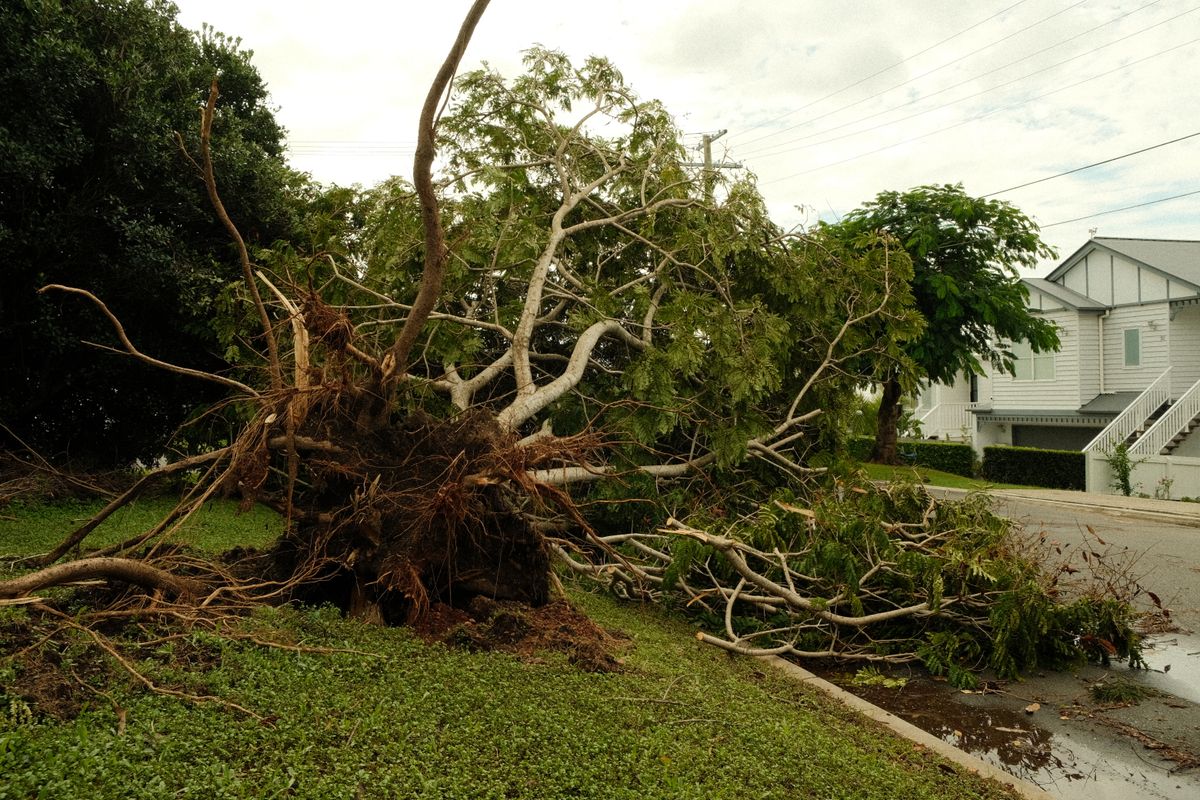
Storm Water Damage Restoration in Broken Arrow, OK
Hail, high wind or a tornado can open a roof, vent or window in seconds, and the rain that follows soaks attics, ceilings and walls, leaving water in the house long after the storm passes. We remove the water, dry the structure and record every step for your insurance claim, day or night, anywhere in Broken Arrow.
Broken Arrow sits in a part of Oklahoma that gets severe spring and summer storms most years. The water damage they cause often starts out of sight: in the attic insulation, inside a wall cavity, or under carpet near a window. Broken Arrow Water Damage Restoration handles storm water damage cleanup and drying for homes and businesses in 74011, 74012 and 74014.
What is storm water damage? It's water that gets inside a building because a storm broke through its outer shell: a hail-damaged or wind-lifted roof, a blown-open vent, a broken window or wind-driven rain forced past doors and siding. Storm water damage restoration removes that water and dries the attic, ceilings, walls and floors before mold or rot can set in.
After the Storm: What to Do Right Now
- Check for danger first. Stay away from downed power lines. If you smell gas, leave the house and call the gas company from outside. Don't enter rooms with sagging ceilings or visible structural damage.
- Stop more water from coming in, if it's safe. Move belongings away from leaks, set out buckets, and close interior doors to contain wet areas. Never climb onto a wet or damaged roof.
- Cut power to wet rooms at the breaker, only if you can reach the panel without standing in water.
- Photograph everything: the outside damage, the roof if visible from the ground, each leak, wet ceilings and damaged belongings.
- Call your insurer to open a claim, and call (918) 739-1874 to start removing water and drying. You don't have to wait for the adjuster to begin protecting your home.
How Storms Get Water Inside Your Home
You don't need a direct hit for a storm to flood part of your house. Common ways storm water gets in:
- Hail-cracked shingles. Large hail bruises and cracks shingles and dents metal vents. The roof may look fine from the ground, but the next heavy rain gets through.
- Wind-lifted shingles and ridge vents. Strong gusts peel back shingles and lift the ridge vent along the peak, leaving a long open seam.
- Gable vents and soffits. Wind drives rain sideways through attic vents and torn soffits.
- Windows and doors. Wind-driven rain is forced past seals and thresholds, soaking carpet and drywall below the opening.
- Flying debris and fallen limbs. Branches and debris punch holes in roof decking and siding.
- Skylights and chimneys. Flashing that shifts in high wind lets water run down inside the wall or ceiling.
Water that gets into the attic soaks the insulation first, then the drywall below. That's how a storm turns into stained or sagging ceilings days later, even after the sky clears.
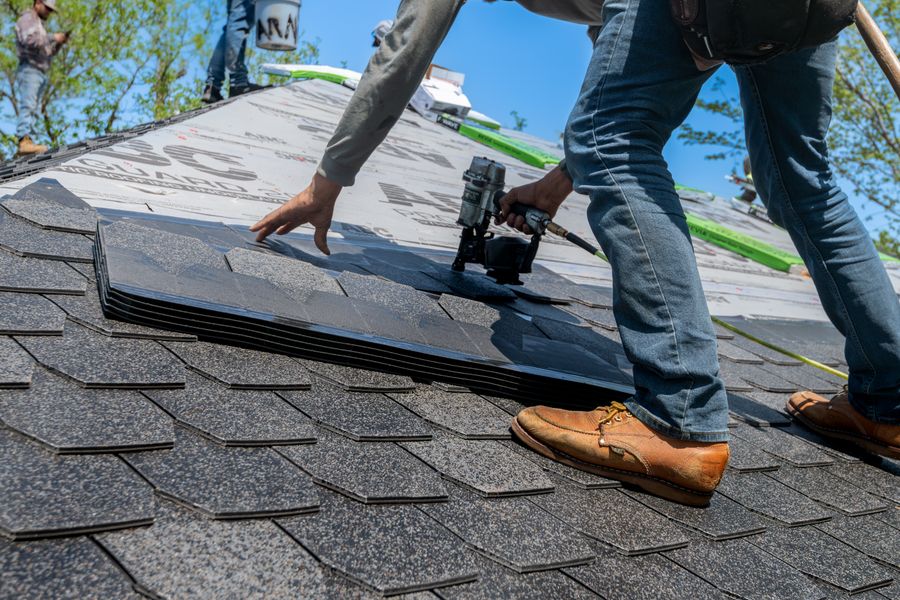
Rain Coming In vs. Floodwater Rising
The way water enters matters for both cleanup and insurance.
| Rain intrusion | Rising floodwater | |
|---|---|---|
| How it gets in | Through a storm-damaged roof, vent, window or wall | Surface water flowing in from outside, at ground level |
| Water type | Usually clean to gray at first | Category 3: can carry soil, sewage and bacteria |
| What's removed | Wet insulation and badly soaked drywall; much can be dried in place | Porous materials it touched, like carpet, pad and lower drywall |
| Typical insurance view | Often handled under a homeowners policy as wind or hail damage | Usually needs a separate flood policy |
Coverage depends on your policy, so check your declarations page or ask your agent.
Storm Season in Broken Arrow
Severe weather here peaks in spring and early summer, with hail, straight-line winds and tornadoes. Two recent local examples:
- On May 21, 2024, hail measuring 2.75 inches was reported about three miles from Broken Arrow.
- On May 26, 2019, a tornado formed near Broken Arrow High School and damaged roofs as it crossed County Line Road south of East 61st Street.
Heavy rain also brings a problem many homeowners don't plan for: in-ground and garage-floor storm shelters taking on water. If yours flooded, see pumping out a flooded storm shelter.
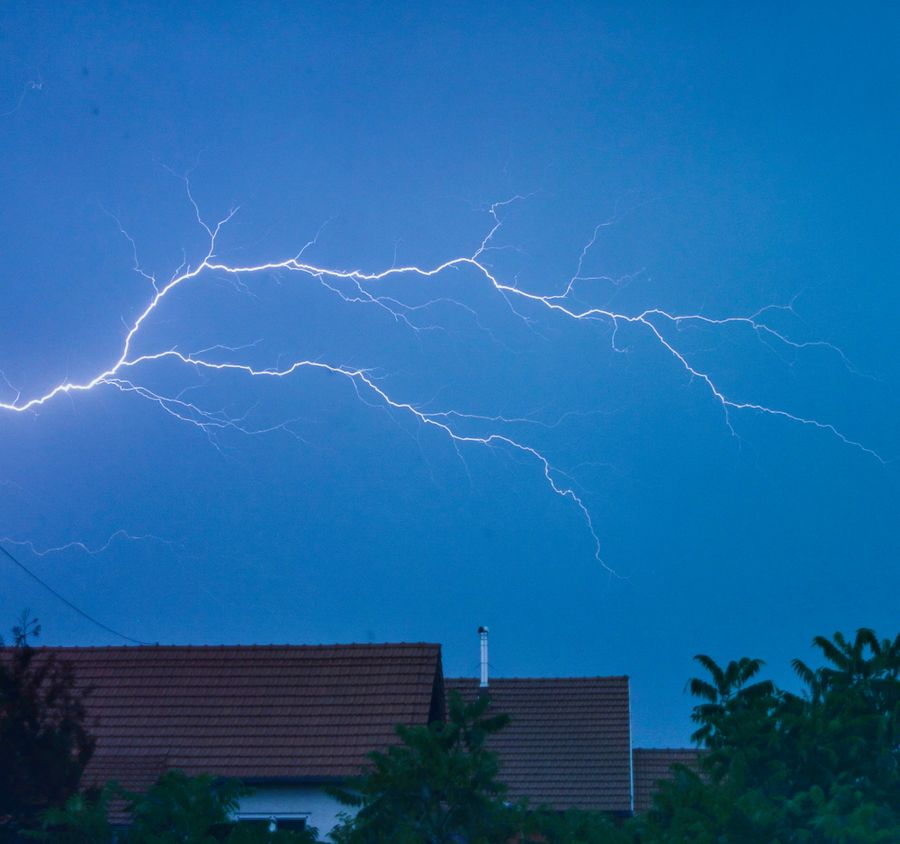
Our Storm Water Damage Process
- Safety check. We look for structural damage, electrical hazards and sagging ceilings before anyone works inside.
- Temporary protection. Openings in the roof, windows or walls need to be covered before drying can work. We arrange tarping or board-up so new rain stays out.
- Documentation. Photos and video of the outside damage, each leak and every wet room, before anything is removed.
- Water removal. Standing water is pumped and extracted from floors and carpet.
- Attic and ceiling work. Soaked attic insulation is removed, and wet ceiling drywall is checked to decide what can be dried and what must come down.
- Moisture mapping. Thermal imaging and moisture meters trace where the water ran: along rafters and joists, down wall cavities and under flooring.
- Structural drying. LGR dehumidifiers and air movers dry the rooms; attic, ceiling and wall-cavity drying reaches the closed spaces.
- Daily readings. We measure every marked point daily until it matches unaffected materials in your home, then hand you the full drying log.
Storm Damage and Insurance in Oklahoma
Rain that comes in through a roof or window opened by wind or hail is often handled under a standard homeowners policy, while rising floodwater usually is not. Some Oklahoma policies also carry a separate wind and hail deductible, sometimes set as a percentage of the home's insured value, so check your declarations page.
Coverage depends on your policy, so we don't promise outcomes. Most policies expect you to take reasonable steps to prevent more damage, which is why it makes sense to start drying before the adjuster arrives. We give your adjuster what they need: photos of the entry point and damage, moisture maps, daily readings and a record of everything removed.
What affects the cost of storm water damage restoration:
- How the water got in, and whether openings need tarping or board-up
- How much of the attic, ceilings and walls got wet
- Whether insulation, drywall or flooring must be removed
- The water category: rain intrusion vs. floodwater
- How many days of drying the readings call for
- Whether the work happens during a busy storm surge
We explain these on site before work begins.
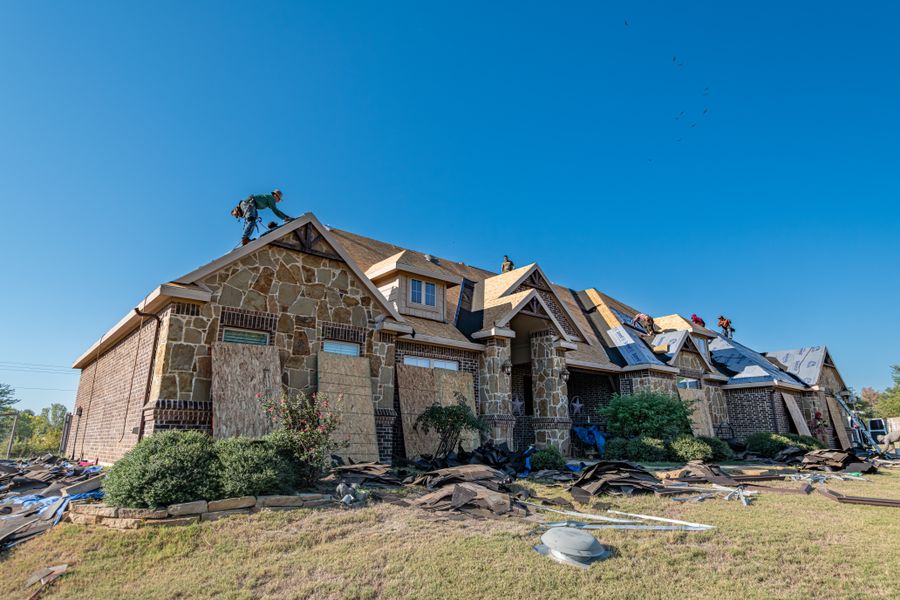
Storm Water Damage Questions
My roof is leaking during the storm. What do I do right now?
Move belongings out of the way, put buckets under the drips, and turn off power to that room if water is near lights or outlets. Don't go on the roof. If a ceiling is bulging, keep people out of the room. Once it's safe, take photos and call us to start drying.
How do I know if hail damaged my roof enough to leak?
From the ground, look for dented gutters, vents and downspouts, and granules washed out at the downspouts. Inside, check the attic with a flashlight for wet insulation or daylight, and watch ceilings for new stains after the next rain. A ceiling stain after a hail storm usually means water is already in the attic.
Water came in under my door during the storm. Is that flood damage?
It depends on how it got in. Rain blown past the door by wind is usually treated differently from surface water that rose from the ground and flowed inside. That difference affects both cleanup and insurance, so photograph where the water entered and how high it reached.
Should I wait for the insurance adjuster before cleaning up?
No. Take photos and video first, then start removing water and drying. Most policies expect you to prevent further damage, and wet materials left for days can grow mold. Keep damaged items for the adjuster to see, and keep every receipt.
A tornado damaged our roof. Is it safe to stay in the house?
Not until someone has checked it. Leave if you smell gas, see sagging ceilings or cracked framing, or have water near electrical panels. Once the structure is confirmed safe and the openings are covered, many families can stay while drying runs.
How long does drying take after storm damage?
Usually several days once the openings are covered. Attics with wet insulation, ceilings and wall cavities take longer than open floors. Equipment stays until the readings show the materials are dry.
Storm Water Inside? Start Drying Today
Every storm leak keeps spreading through insulation and drywall until it's dried. Call our Broken Arrow restoration team and we'll start with the water you can see and finish with readings that prove the hidden areas are dry.