
Storm Shelter Flooding Cleanup in Broken Arrow, OK
A storm shelter full of water is a problem right when you might need it most. We pump out flooded in-ground and garage-floor shelters and safe rooms, dry and clean the concrete, and check the drain and door seal, anywhere in Broken Arrow.
Storm shelters are common across Broken Arrow and the Tulsa area, and many sit below grade, under the garage floor or in the yard. After heavy rain, they can take on water from the ground, the drain or the door. Shelter flooding often shows up alongside other water damage after severe storms, and it needs the same fast response: remove the water and dry the space before it turns into a mold and rust problem. Broken Arrow Water Damage Restoration handles storm shelter water removal in 74011, 74012 and 74014.
What is storm shelter water removal? It's pumping standing water out of a below-ground storm shelter or safe room, removing the remaining moisture, cleaning and disinfecting surfaces if the water was dirty, and drying the shelter completely so it's ready for storm season. The same work applies to safe room water damage and in-ground shelter pump-outs.
Why Storm Shelters and Safe Rooms Flood
- High groundwater after heavy rain. Saturated soil pushes water through seams, cracks and around the shelter body.
- Clogged or missing floor drain. Leaves, mud and debris block the drain, so any water that gets in stays.
- Worn door or lid seals. Gaskets crack and shrink over time, letting rain and runoff in at the opening.
- Runoff from the garage or yard. Water flowing across a garage floor or toward the shelter lid pours straight in.
- Condensation. Cool, closed underground spaces collect moisture in humid weather, which adds up over a summer.
- Cracks and failed seams. Shifting clay soil can open joints in concrete or around the frame.
Why a Wet Shelter Is a Real Problem
- It may not be usable when a warning hits. Standing water, slick steps and wet electrical can make the shelter unsafe to enter.
- Mold and odor. Closed, damp concrete and stored items are prime spots for mold in a damp shelter.
- Rust and corrosion on steel doors, hinges, benches and frames.
- Spoiled supplies. Stored water, food, first-aid kits, documents and batteries can be ruined.
- Pests. Standing water attracts mosquitoes and other insects.
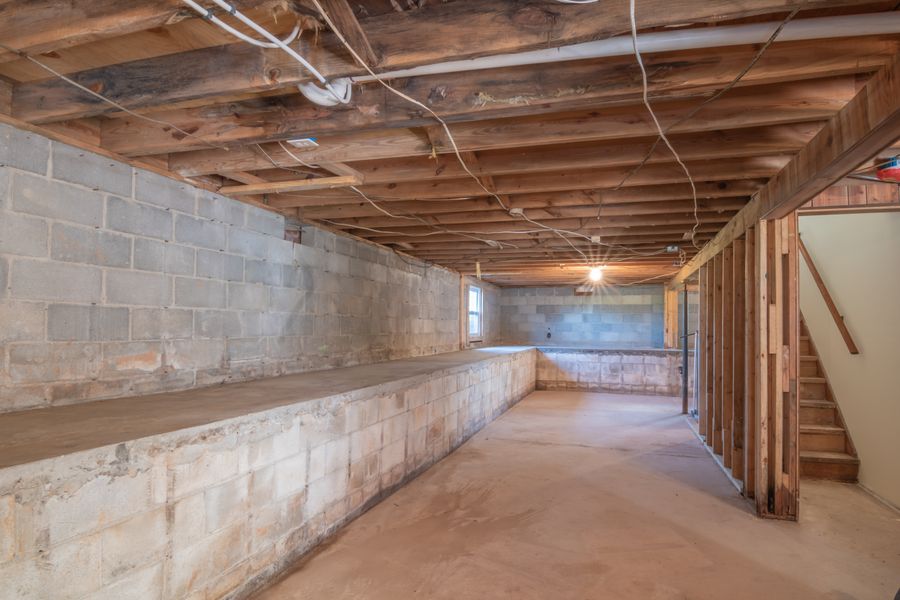
How We Clean Out a Flooded Storm Shelter
- Check safety first. We make sure any lights or outlets in the shelter are off, and that the door or lid opens and closes safely.
- Document. Photos of the water level, the drain, the door seal and any visible cracks.
- Pump it out. Submersible pumps handle deep water; it's the same standing water removal equipment we use for flooded rooms.
- Remove the rest. Extractors and wet vacuums pull out the last inches and puddles from the floor and corners.
- Clean and disinfect. If the water came in from the yard, a drain or a garage floor, surfaces are cleaned and disinfected, not just dried.
- Clear out damaged contents. Soaked supplies, cardboard, bedding and paper are removed and photographed for your records.
- Dry it completely. A dehumidifier and air movement bring the concrete and steel down to dry readings; closed underground spaces dry slowly without them.
- Find the entry point. We check the floor drain, the door or lid gasket, seams and the area around the shelter, and tell you where the water is likely coming from so your shelter installer can repair it.
How to Keep Your Shelter Dry
- Check it after every heavy rain, not just before storm season
- Keep the floor drain clear and test that it actually drains
- Replace cracked or flattened door and lid gaskets
- Grade soil and direct downspouts away from yard shelters
- Keep garage floors draining away from a floor-mounted shelter lid
- Store supplies in sealed plastic bins, off the floor
- Air the shelter out on dry days, or run a small dehumidifier during humid months

Storm Shelter Water Damage and Insurance
Whether a shelter is covered, and how, depends on your policy. Some treat it as part of the house and some as a separate structure, and water seeping in from the ground is often excluded while sudden damage from a covered storm may be treated differently. Check your policy or ask your agent; we document the water level, the cause we find and the work done.
What affects the cost of storm shelter water removal:
- How deep the water is and whether it's clean or dirty
- Shelter size and how easy it is to access
- Whether contents need to be removed and documented
- How much cleaning and disinfection is needed
- How many days the concrete needs to dry
We explain these on site before work begins.
Storm Shelter Questions
Why does my storm shelter fill with water after rain?
Usually because groundwater is pushing in through seams or cracks, the floor drain is clogged, or the door or lid seal has worn out. In garage-floor shelters, water running across the garage can pour in at the lid. Finding which one it is tells you what needs fixing.
Is it safe to use a storm shelter that has water in it?
Not if water is touching lights, outlets or wiring, or if you can't get in and out safely. A few inches of clean water with no electrical contact is less of a hazard, but slick steps and spoiled supplies still matter. Your safety during a tornado warning comes first, so get the shelter pumped out and dried before storm season.
Can I pump out my storm shelter or storm cellar myself?
A small amount of water can be removed with a utility pump or wet vacuum if there's no electrical hazard and the space is ventilated. Deep water, dirty water from the yard or garage, or a shelter that keeps refilling needs professional extraction, drying and a look at where the water is getting in.
How do I keep my garage storm shelter from flooding?
Keep the garage floor draining away from the lid, keep the lid seal in good shape, and don't wash cars or let rain blow in toward the shelter. Check it after heavy rain and keep a small dehumidifier or regular airing during humid months.
Who fixes a leaking storm shelter?
The shelter's installer or manufacturer is usually the right call for cracked seams, failed seals or drain problems, especially if it's under warranty. We handle the water, the cleanup and the drying, and we can tell you where we think the water is coming in.
How long does it take to dry out a flooded shelter?
Usually a few days once the water is out. Underground concrete dries slowly because there's little airflow, so a dehumidifier makes the biggest difference. We check readings until the concrete is dry.
Shelter Full of Water? Get It Ready Before the Next Warning
Don't wait for the next storm to find out your shelter isn't usable. Call now and we'll pump it out, dry it and show you where the water is getting in.