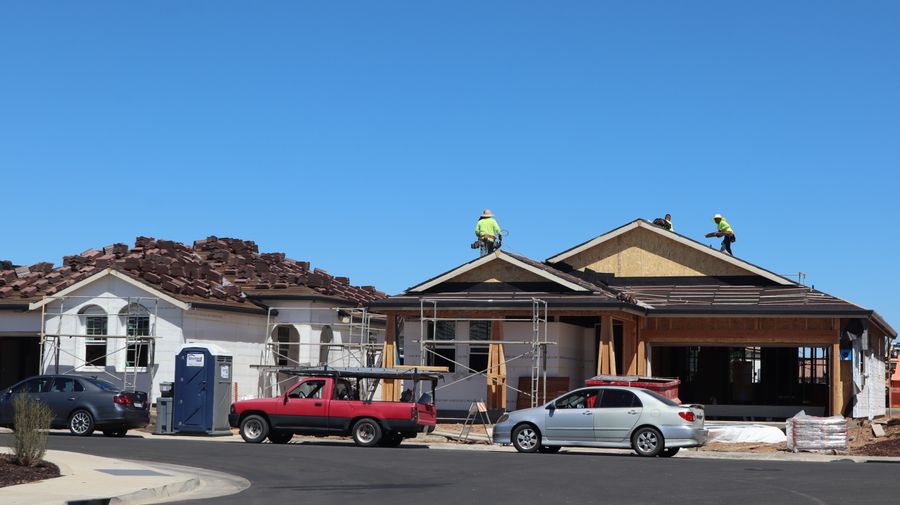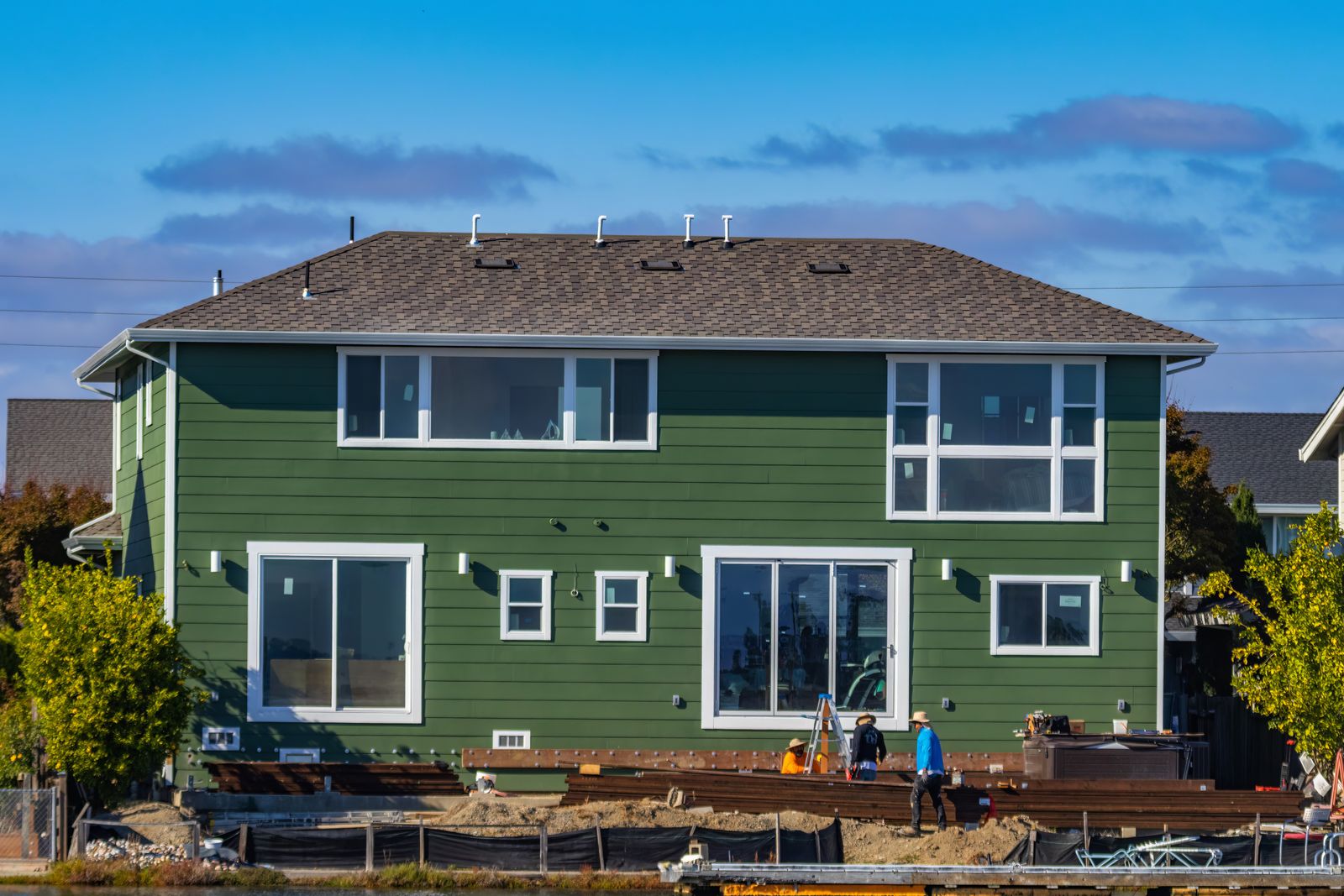
New Construction Water Damage in Broken Arrow, OK
A brand-new house shouldn't leak, but sometimes it does: water at a window after the first big storm, a wet spot by the tub, or carpet damp along an outside wall. We dry it, map exactly where the water came in, and document the path so you can take it to your builder or insurer with facts, not guesses, anywhere in Broken Arrow.
New homes have their own set of water problems: installation details, settling and systems that haven't been tested by a real storm yet. Broken Arrow Water Damage Restoration handles new construction water damage in 74011, 74012 and 74014.
What is new construction water damage? It's water damage in a recently built home caused by how something was installed or by early settling, such as window or door flashing, roof penetrations, grading, plumbing fittings or appliance connections, rather than by age or wear.
New Home Leaking? Do This First
- Stop the water if it's plumbing: close the fixture valve or the main.
- Protect belongings and set out buckets or towels.
- Photograph and video it while it's happening: where water appears, the weather at the time, and the time of day. A leak that shows up only in wind-driven rain points somewhere different than one that's there every morning.
- Notify your builder in writing, following the warranty process in your purchase documents, and keep copies.
- Don't let it sit. Even if the builder is slow to respond, get the water removed and the area dried so the damage doesn't grow; ask your builder or insurer how they want it documented.
- Call (918) 739-1874.
Common Causes of Leaks in New Homes
- Window and door flashing: missing or reversed flashing, or gaps in the weather barrier, let wind-driven rain getting past windows into the wall
- Roof penetrations: vents, chimneys and skylights not sealed or flashed correctly
- Lot grading and drainage: soil that slopes toward the house, or downspouts that dump water at the foundation
- Plumbing fittings: a loose PEX or compression fitting in a wall, or a fitting leak under the slab
- Shower pans and tub drains that weren't sealed or tested
- Appliance hookups: washer boxes, ice-maker lines and dishwasher connections left loose
- AC condensate lines not sloped or connected properly in the attic
- Settling: new homes on Broken Arrow's clay soil can shift slightly in the first years, opening small gaps at slab edges and around penetrations

Why the Water Path Matters
When a new home leaks, the question everyone asks is "why?" The answer often decides who handles the repair. We use thermal imaging and moisture meters to map where the water is and how it moved, and photograph each step, so the builder, your insurer and any contractor can see the same evidence. You get the moisture maps, photos and the drying log we hand over at the end of every job.
We don't decide who's responsible; your builder warranty, your purchase contract and your policy do. We give everyone accurate information to work from.
How We Handle New Construction Leaks
- Find and confirm the entry point, testing during or after rain if the leak is weather-related.
- Document the source, the wet area and the water path before anything is opened.
- Extract water and remove what can't be saved, keeping removed materials or photos if your builder wants to inspect them.
- Dry the structure with dehumidifiers, air movers and wall-cavity drying.
- Check daily until materials match dry areas of the home, then hand over the full report.

New Construction Leak Questions
My new house is leaking. Who pays for it?
It depends on the cause and your documents. Defects in workmanship or materials are often handled under the builder's warranty, while sudden accidental damage may involve your homeowners policy. Read your warranty and policy, notify your builder in writing, and keep records of everything.
Should I call the builder first or a water damage company?
Both, quickly. Notify your builder in writing so the warranty process starts, but don't wait days for a response while water sits in walls or floors. Ask the builder how they want the damage documented, take photos, and get the drying started.
Why is water coming in around my new windows?
The most common reasons are flashing that's missing, out of order or not integrated with the house wrap, and gaps in caulking or the window's own seals. Leaks that show up only during wind-driven rain are a strong clue that the problem is at the window installation.
Is it normal for a new home to have water in the yard against the foundation?
Water shouldn't pond against the foundation. Grading should slope away from the house, and downspouts should carry water several feet out. Settling in new yards can change the slope in the first year or two, so check after heavy rain and report pooling to your builder.
Can a new home have a slab leak?
Yes, though it's less common than in older homes. A loose or damaged fitting during construction, or a pipe pressed against something as the slab cured and settled, can leak under the floor. Warm spots, wet flooring with no source, or a moving water meter are the signs.
New Home, New Leak? Get the Facts Documented
Get the water out, the house dried and the cause on record. Call now and we'll map the leak and give you a report your builder and insurer can both use.