
Pipe Burst? What to Do in the First 10 Minutes
Shut off the main water valve first. Then cut power to wet rooms, move what you can, take photos, and get the water out. Those steps, in that order, limit most of the damage a burst pipe can do. Here's each one in detail.
Need help now? Call (918) 739-1874.
Step 1: Shut Off the Main Water Valve
This stops the water. Everything else can wait 30 seconds.
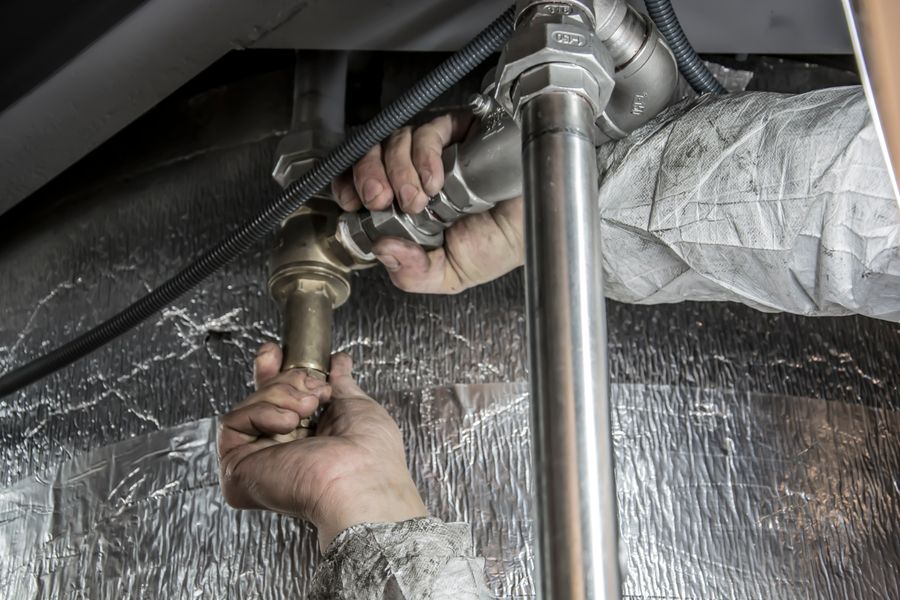
- Where to look: in many Broken Arrow homes, the main valve is in the garage where the water line enters, near the water heater, or in a utility closet. There's also a shut-off at the meter box near the street, which may need a meter key.
- How to close it: a round handle turns clockwise until it stops. A lever handle turns a quarter turn so it sits across the pipe.
- If the leak is at one fixture, like a toilet or sink supply line, you can close the small valve under it instead.
Find your main valve today, before you need it, and make sure everyone in the house knows where it is.
Step 2: Relieve the Pressure
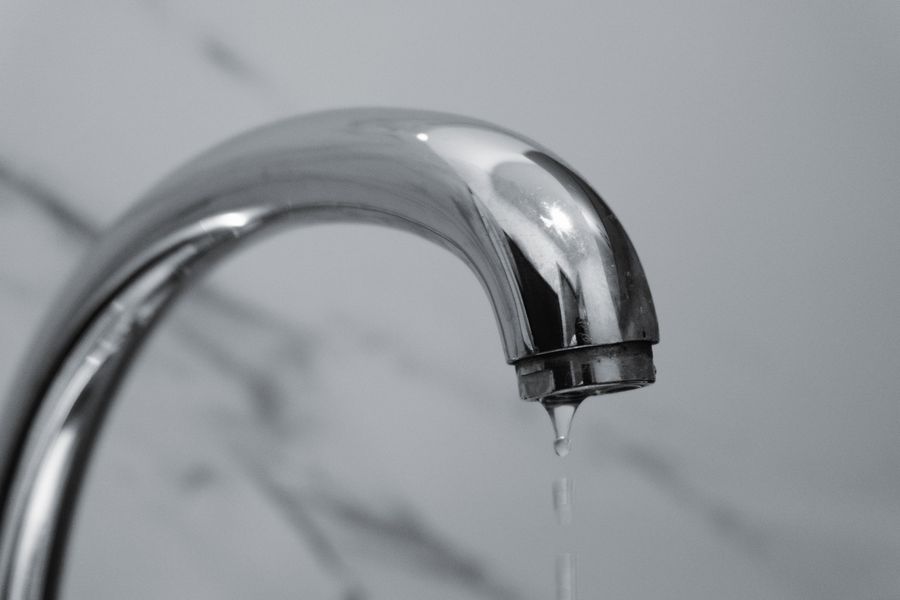
Open a faucet on the lowest floor and flush toilets to drain water still in the lines. That lowers pressure on the broken pipe and reduces what keeps leaking out.
Step 3: Make the Electricity Safe
- If water is near outlets, cords, lights or appliances, switch off those circuits at the breaker panel.
- Only do this if you can reach the panel standing on a dry floor. If the panel is wet or you'd have to stand in water, leave it and call the utility or an electrician.
- If water is coming through a ceiling light, turn off that switch and the breaker, and keep people out from under it.
Step 4: Decide About the Water Heater
If the water will be off for a while, turn the water heater off too: switch off the breaker for an electric heater, or set a gas heater's control to off or pilot, following its label. Heating an emptying tank can damage it.
Step 5: Document Before You Clean
Take wide photos of each wet room, close-ups of the broken pipe, and video of water still moving. Photograph damaged belongings before moving them. Your insurer will want to see the damage as you found it, and photos are hard to recreate later.
Step 6: Get the Water Out
Move furniture, rugs and electronics off wet floors. Soak up small puddles with towels or a wet vac. For anything more than a puddle, or water that reached carpet, walls or ceilings, call to get standing water pumped out fast and drying started the same day.
Step 7: Call a Plumber and a Restoration Company
A plumber repairs or caps the broken pipe. A water damage restoration company removes the water and dries the house. Call both at the same time; waiting for the plumbing repair before starting extraction lets water keep soaking into drywall, insulation and subfloors.
What Not to Do
- Don't walk through standing water near outlets or cords
- Don't use a household vacuum on water
- Don't turn the water back on "to check" until the pipe is repaired
- Don't poke a sagging ceiling while standing under it
- Don't paint over stains or close up walls until moisture readings say they're dry
- Don't use space heaters or open flames to thaw pipes
After the First Hour
The visible water is usually less than half the problem. Water climbs drywall, soaks insulation and spreads under flooring where you can't see it. The EPA advises drying water-damaged materials within 24 to 48 hours to prevent mold growth. That's why drying the walls after a burst pipe means measuring moisture inside them, not just running a fan until the surface feels dry.
Will Insurance Pay for a Burst Pipe?
Often the water damage from a sudden burst is treated differently by insurers than a slow leak, and the pipe repair itself is often handled separately from the water damage it caused. Some policies also limit freeze damage in a home that was left unheated. Read more on whether your policy covers a burst pipe, and call your insurer to open a claim the same day.
Quick Answers
Should I turn off the electricity if a pipe bursts?
Turn off the circuits for wet rooms if water is near outlets, lights or appliances, but only if you can reach the breaker panel without standing in water. If you can't, stay out of the water and call for help.
Do I call a plumber or a water damage company first?
Shut off the water yourself first, then call both. The plumber fixes the pipe; the restoration company removes the water and dries the house. Starting both at once saves the most drywall and flooring.
How do I know if a pipe burst inside a wall?
Look for damp or bubbling drywall, peeling paint, wet baseboards, a stain spreading from the wall or ceiling, the sound of running water when everything is off, or your water meter moving with no water in use.
How do I thaw a frozen pipe safely?
Open the faucet the pipe feeds, then warm the pipe gently with a hair dryer, warm towels or a space heater kept at a safe distance. Never use an open flame. If you can't find the frozen section, call a plumber and watch for leaks as it thaws.
Water still spreading? Call (918) 739-1874.