
Water Damage Insurance Claim Help in Broken Arrow
We can't decide what your policy covers, and we don't promise outcomes. What we do is give you and your adjuster a clear, dated record of what happened: where the water came from, what it damaged, what was removed and why, and proof the house was dried. That record is what claims are decided on. Below, we also walk you through the claim itself: what to check in your policy, what to say, what to gather and what to ask.
What We Document on Every Job
These are the drying records from every job, not extras.
- The source: photos and video of the failed pipe, appliance, roof opening or backup, before anything is moved
- The damage: wide and close-up photos of every affected room and damaged belongings
- Moisture maps: where the water traveled inside walls, ceilings and floors
- Daily readings: moisture in materials and humidity in the air, every visit
- Removed materials: what was taken out, how much, and why it couldn't be dried
- Final readings: proof each area reached the dry standard
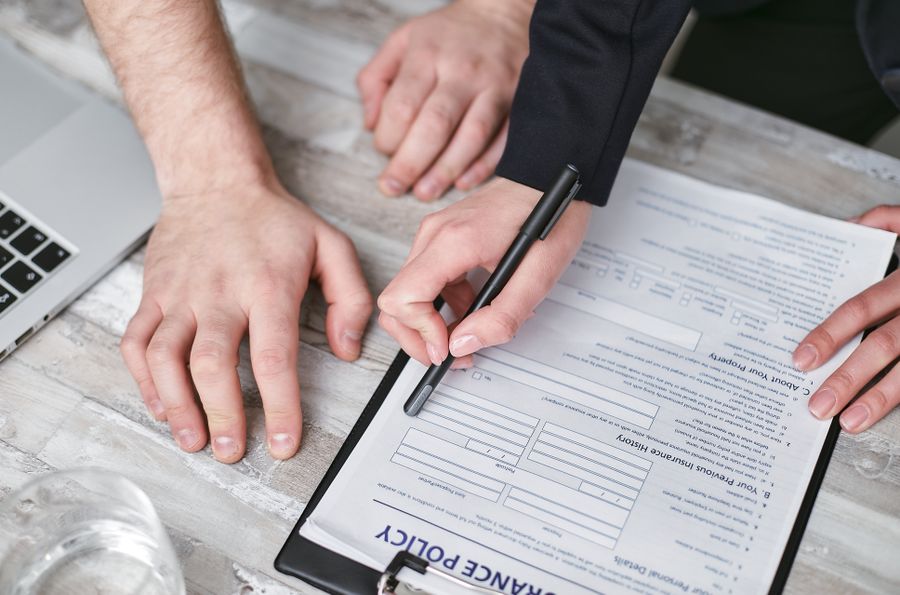
Filing a Water Damage Claim: Step by Step
- Stop the water and make it safe. Policies generally expect you to take reasonable steps to prevent more damage.
- Photograph everything before cleanup.
- Call your insurer to report the claim. Write down the claim number, adjuster's name and contact details.
- Start drying right away. You don't have to wait for the adjuster to begin protecting your home. Waiting while materials stay wet can lead to more damage and mold.
- Keep damaged items and receipts until your adjuster says you can discard them. Save receipts for anything you buy because of the damage.
- Share our documentation with your adjuster: photos, moisture maps, readings and the list of removed materials.
- Ask your adjuster questions about what's covered, your deductible and next steps for repairs.

Before You Call: Check These 4 Parts of Your Policy
You don't need to read the whole policy. Look for these, usually on the declarations page or in the property section:
- Your deductible. The amount you pay before coverage applies. Check whether there's a separate wind and hail deductible, sometimes shown as a percentage.
- The water damage wording. Look for phrases like "sudden and accidental discharge" and exclusions for "continuous or repeated seepage."
- Endorsements. Look for water backup or sewer backup coverage, and any mold limit.
- Additional living expense (sometimes called loss of use). If the home can't be lived in during repairs, this section explains whether temporary housing may be covered.
If anything is unclear, ask your agent before the adjuster visits.
What to Say When You Report the Claim
Stick to facts you know:
- When you found the water, and when it likely started, if you know
- Where it came from (a burst pipe, a water heater, a roof opening, a backup)
- Which rooms and materials got wet
- What you did to stop it and protect the house
- That a restoration company is drying the home and documenting it
If you don't know the cause yet, say so. Guessing can create confusion later; the moisture maps and photos will show what happened.
Your Claim Paperwork Checklist
- Claim number, adjuster's name, phone and email
- Photos and video of the source and every wet room, taken before cleanup
- Our moisture maps, daily readings and final dry readings
- List of materials removed and why
- List of damaged belongings, with photos, approximate age and where bought, if known
- Plumber, roofer or HVAC invoice showing the cause, if a repair was made
- Receipts for anything you paid for because of the damage (hotel, meals, supplies)
- A simple log of every call and email with your insurer: date, who you spoke to, what was said
Questions to Ask Your Adjuster
- Is the mitigation (drying) reviewed separately from the repairs?
- What do you need from me and from the restoration company?
- Can I discard the damaged materials and belongings now, or should I keep them?
- Does my policy include additional living expense if we need to stay elsewhere?
- Which deductible applies to this claim?
- What are the next steps, and roughly when should I expect to hear back?
- Who should the repair contractor send their estimate to?
What Usually Happens, Step by Step
Every insurer works differently, but most claims move through these stages:
- Report the loss and get a claim number.
- Mitigation starts: water removal and drying, with documentation.
- Adjuster review: an in-person visit, a virtual inspection, or a review of photos and records.
- Coverage decision: the insurer explains what's covered, any exclusions and which deductible applies.
- Repair estimates are submitted for the rebuilding work.
- Repairs begin after drying is complete and approvals are in place.
Keep a copy of everything you send and receive.
Mitigation vs. Repairs
Claims often treat these as two parts. Mitigation is removing the water and drying the house to stop the damage from growing. Repairs are replacing drywall, flooring, cabinets and paint afterward. Your adjuster may review them separately, so we document mitigation in detail on its own.
What Insurers Usually Look At
Whether something is covered usually turns on the cause: sudden and accidental (like a burst pipe or failed supply line) versus gradual (a slow leak, wear or maintenance), and inside water versus outside flooding. Sewer backup often requires a specific endorsement. Read more on how Oklahoma policies usually treat water damage, and check your own policy's water damage section.
Your Deductible and Cost
Your deductible is set by your policy, and some Oklahoma policies have a separate wind and hail deductible. We explain the factors that drive the job's cost before work begins; see what affects the cost.
What We Don't Do
- We don't tell you what your policy covers; your insurer and agent do
- We don't promise a claim outcome or a payout
- We don't offer to waive or cover your deductible
- We don't pressure you to sign anything you don't understand; ask questions and read every document before you sign
Insurance Claim Questions
Should I call my insurance company or you first?
Stop the water, then call both the same day. Starting drying quickly helps limit damage, and most policies expect you to prevent further loss. Report the claim promptly and keep your claim number handy.
Do I have to wait for the adjuster before drying starts?
No. Photograph and video the damage first, then start removing water and drying. Keep damaged materials or photos of them for the adjuster.
Will insurance pay for water damage drying?
It depends on your policy and the cause, and only your insurer can tell you. Ask your adjuster directly whether mitigation is reviewed as part of your claim. Insurers often treat slow leaks, flooding and sewer backup without an endorsement differently from sudden events.
What if my claim is denied?
Ask your insurer for the reason in writing and which policy language it relies on. Compare it with your documentation. You can ask your agent for help, request a review, or contact the Oklahoma Insurance Department with questions.
Can you talk to my adjuster?
Yes. With your permission, we can share our photos, moisture maps and readings with your adjuster and answer questions about what we found and what we did.
How long does a water damage claim take?
It varies by insurer, the size of the loss and how busy adjusters are, especially after a big storm. You can help it move by reporting promptly, keeping your paperwork organized and answering your adjuster's requests quickly. Ask your adjuster what timeline to expect.
Should I get my own estimate for the repairs?
You can. Many homeowners get a repair estimate from a contractor of their choice and share it with the adjuster. Ask your adjuster how they want estimates submitted.
What should I throw away, and what should I keep?
Ask your adjuster before discarding anything. If something must go for health or safety reasons, like sewage-soaked carpet, photograph it first, measure it, and keep a small sample if possible.