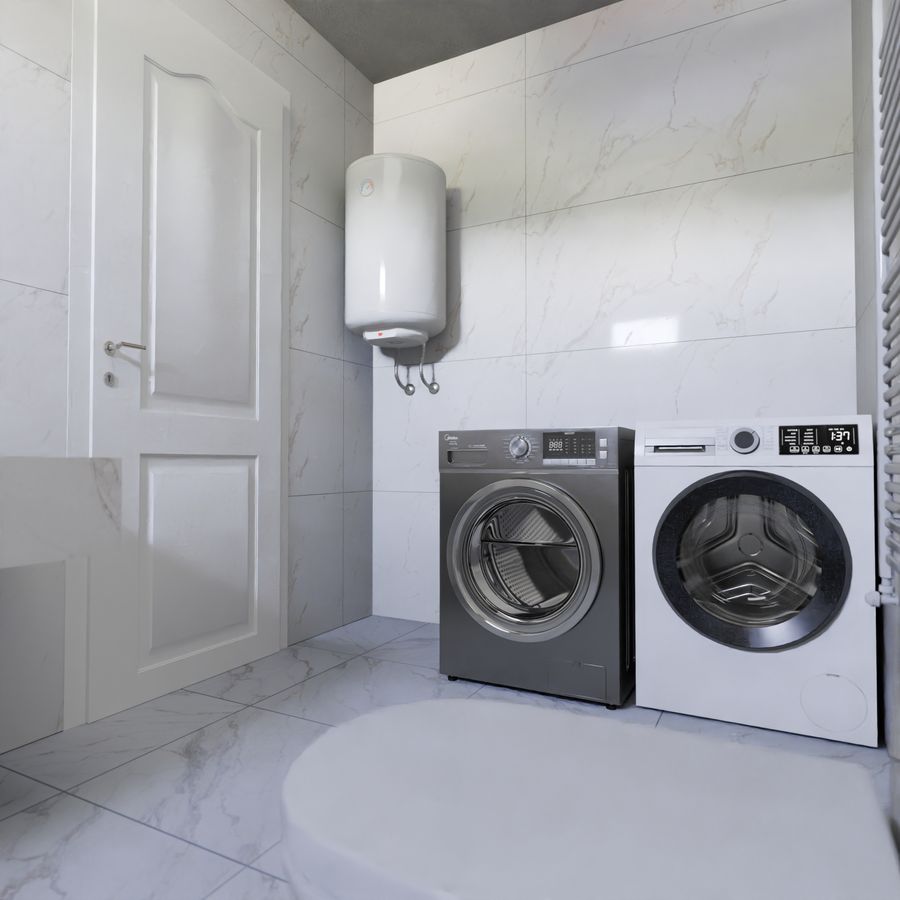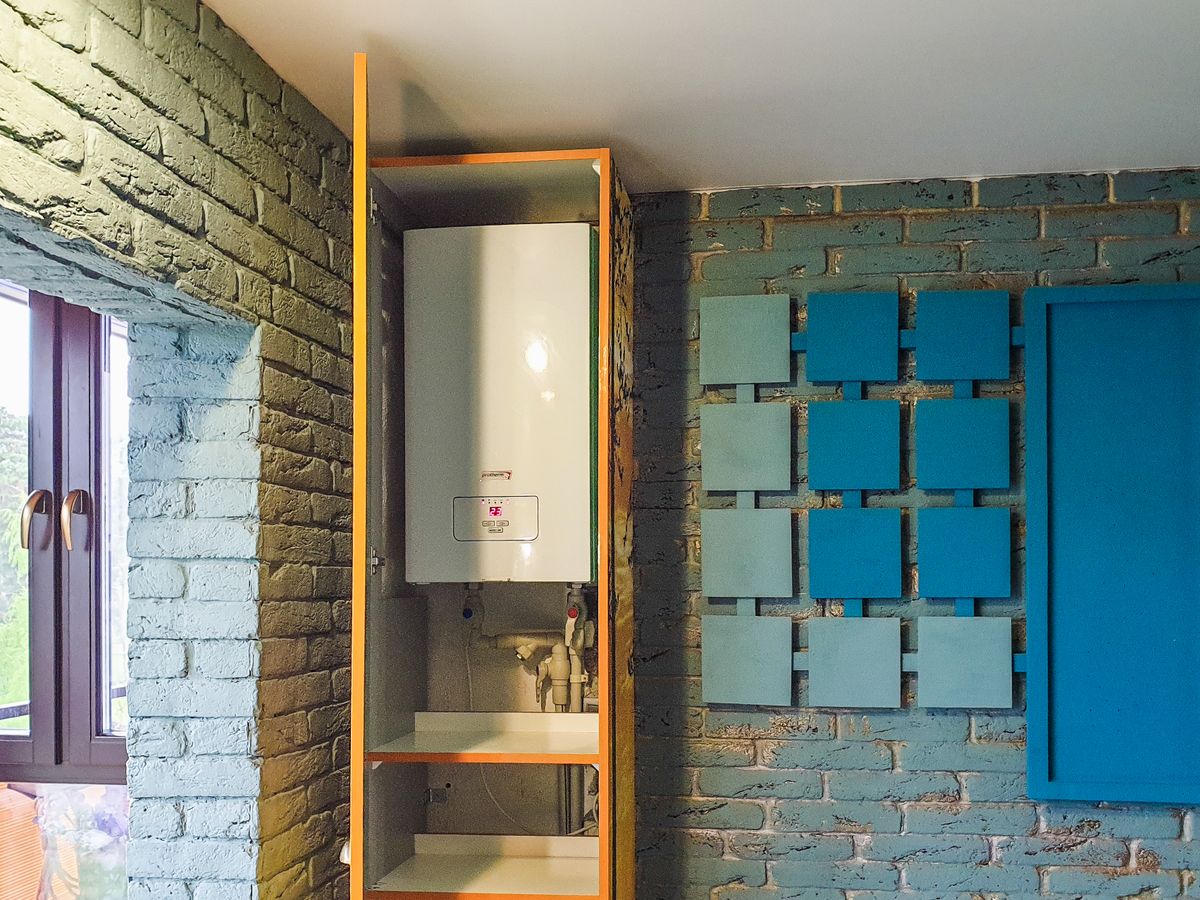
Water Heater Leak Cleanup in Broken Arrow, OK
A water heater that bursts or starts leaking can empty its whole tank, then keep pulling in fresh water until someone shuts it off. We extract the water and dry the garage, closet, walls or ceiling it reached, day or night, anywhere in Broken Arrow.
Water heaters in Broken Arrow homes usually sit in the garage, a hall closet or the attic. Wherever yours is, a leak rarely stays put: it runs under walls, into the next room, or down through the ceiling. A plumber replaces the heater; Broken Arrow Water Damage Restoration handles the water damage it left behind, in 74011, 74012 and 74014.
What is water heater leak cleanup? It's removing the water released by a failed water heater, finding where it traveled under flooring, into walls or through ceilings, and drying those materials to a measured dry standard so they don't warp, stain or grow mold.
Water Heater Leaking? Do This First
- Close the cold water supply valve on the pipe going into the top of the tank. If you can't find it or it won't turn, close the main water valve to the house.
- Turn off the power or gas. For an electric heater, switch off its breaker. For gas, turn the control to "off" or "pilot." Follow the label on your unit.
- Watch for hot water. A heater that just failed can release scalding water; keep children and pets away.
- Stay out of standing water if it's near outlets or extension cords.
- Take photos of the tank, the leak point and every wet area before moving things.
- Call a plumber for the heater and call (918) 739-1874 for the water.
Why Water Heaters Leak
- Tank corrosion. Over the years, the steel tank rusts from the inside until it splits or pinholes. Water from the bottom of the tank is usually a sign of this.
- Sediment buildup. Minerals settle at the bottom, overheat the tank and speed up wear.
- Relief valve discharge. The temperature and pressure (T&P) valve opens when pressure or temperature runs too high, or leaks when it's worn.
- Loose or corroded connections on the inlet, outlet or drain valve.
- Failed drain pan or missing pan, so even a small drip runs straight onto the floor.
Many tank water heaters wear out after roughly 8 to 12 years, so age is one of the first things to check.

Where the Water Goes: Flooded Garages, Closets and Ceilings
| Water heater location | What usually gets wet |
|---|---|
| Garage | Concrete floor, stored items, then under the door threshold into the house: laundry rooms, hallways and the drywall at the base of shared walls |
| Closet or utility room | The closet floor, the bottom of surrounding drywall, baseboards and the flooring in nearby rooms; water often travels under walls into the next room |
| Attic | Insulation and ceiling drywall below the tank, and sometimes walls as water runs down; see the attic section below |
Water that runs out of the closet often ends up spreading under LVP or laminate in the next room, where it can't evaporate and is easy to miss.
Attic Water Heater Leaks
A tank in the attic is the hardest kind of leak: the water comes straight down through insulation and drywall. A drain pan with a line to the outside helps, but pans rust and lines clog. If yours leaked, expect wet insulation to be removed and the job to include drying a soaked ceiling and the framing above it.
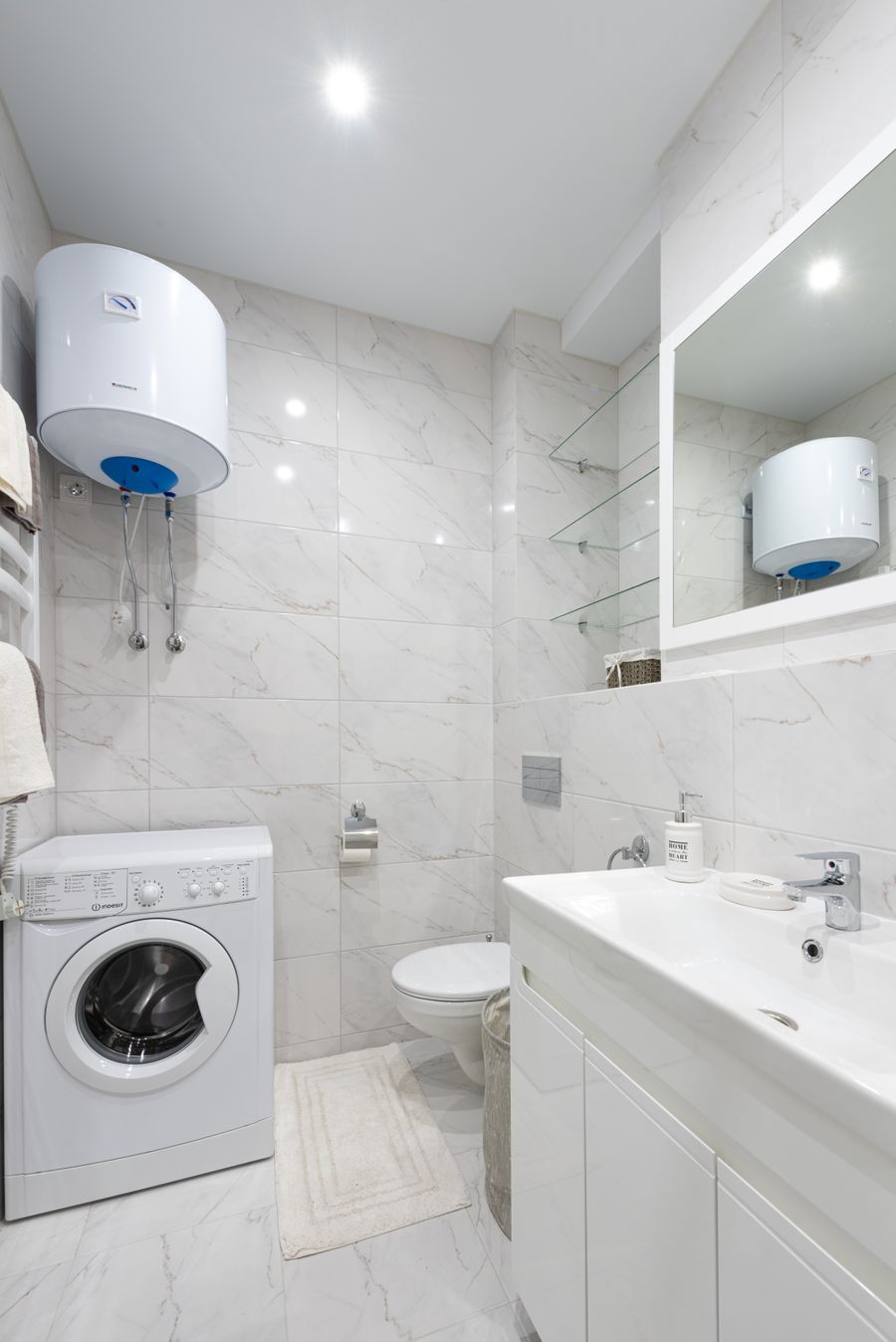
How We Clean Up a Water Heater Leak
- Confirm the supply is off and the tank is no longer filling.
- Document the tank, the leak point and every wet area for your records and insurer.
- Remove the water. 24-hour water extraction clears standing water from concrete, carpet and hard floors.
- Map the moisture. Thermal imaging and moisture meters trace the water under walls, along baseboards and into neighboring rooms.
- Remove only what's needed. Soaked carpet pad, swollen baseboards, wet insulation and drywall that wicked water are removed; firm materials are dried in place.
- Dry the structure. Dehumidifiers and air movers dry the room, and wall-cavity drying reaches inside the walls.
- Check daily until every marked area reads dry, then hand over the drying log so the plumber's new heater goes into a dry space.
Water Heater Leaks and Insurance
Insurers often treat the water damage from a sudden tank failure differently from the cost of the water heater itself, which is usually considered wear and tear. Slow leaks that went on for weeks may also be treated differently from a sudden burst. Coverage depends on your policy, so we don't promise outcomes; we document the failure and the damage clearly.
What affects the cost of water heater leak cleanup:
- Where the heater was: garage, closet or attic
- How long it leaked and how many rooms the water reached
- The flooring and wall materials involved
- Whether insulation, drywall or baseboards must be replaced
- How many days of drying the readings call for
We explain these on site before work begins.

Water Heater Leak Questions
My water heater is leaking from the bottom. What does that mean?
Water at the base of the tank usually means the tank itself is corroding from the inside, and that usually can't be repaired. Sometimes it's the drain valve or water running down from a fitting on top, so check those first. Either way, shut off the cold supply and the power or gas, and plan on replacement if the tank is the source.
Is a leaking water heater an emergency?
A steady leak or a burst tank is, because the heater refills from your water line and can keep feeding water into the house. A slow drip from a valve is less urgent but still worth shutting off and having checked, since drips under a closet floor do damage you can't see.
How do I turn off my water heater?
Close the cold water valve on the pipe going into the top of the tank. Then cut the energy: switch off the breaker for an electric heater, or turn a gas heater's control knob to off or pilot. If the cold valve won't turn, shut off the main water to the house.
Does homeowners insurance cover a water heater leak?
Often the resulting water damage is treated differently from the heater, which is usually considered wear and tear and not covered. Sudden failures and slow leaks can also be handled differently. Check your policy's water damage section or call your agent.
Can water from a garage water heater damage the house?
Yes. Water often runs under the door between the garage and the house, soaking the flooring, baseboards and the bottom of the drywall on the other side. Check the room next to the garage even if the garage floor looks like it's drying.
How long does it take to dry after a water heater leak?
Usually a few days. A garage slab with nothing else wet dries fastest; a closet leak that ran under walls into finished rooms, or an attic tank that soaked a ceiling, takes longer. Equipment stays until the readings show it's dry.
Water Heater Burst? Shut It Off and Call
A failed water heater keeps refilling until it's shut off, and the water keeps moving under walls and floors until it's dried. Close the cold supply, cut the power or gas, then call us.